AI Forge RPG
A sci-fi, fantasy and modern mashup RPG where you spend earned XP and crafting materials to have an AI forge weapons and powers nobody else has.
Pitch
Think Ready Player One, but the worlds are real: a machine intelligence has torn rifts between dimensions, so knights, street racers and starship pilots now share the same streets. Every player builds their own kit by describing it. Spend XP and materials at the Forge, type "a neon katana made from a broken streetlight", and a few minutes later it's in your hand, drawn in the game's anime style and doing things no stock item does.
No two players end up the same. The game stays fair because the AI chooses the look and the combination of effects, while the game's rules decide how strong it can be.
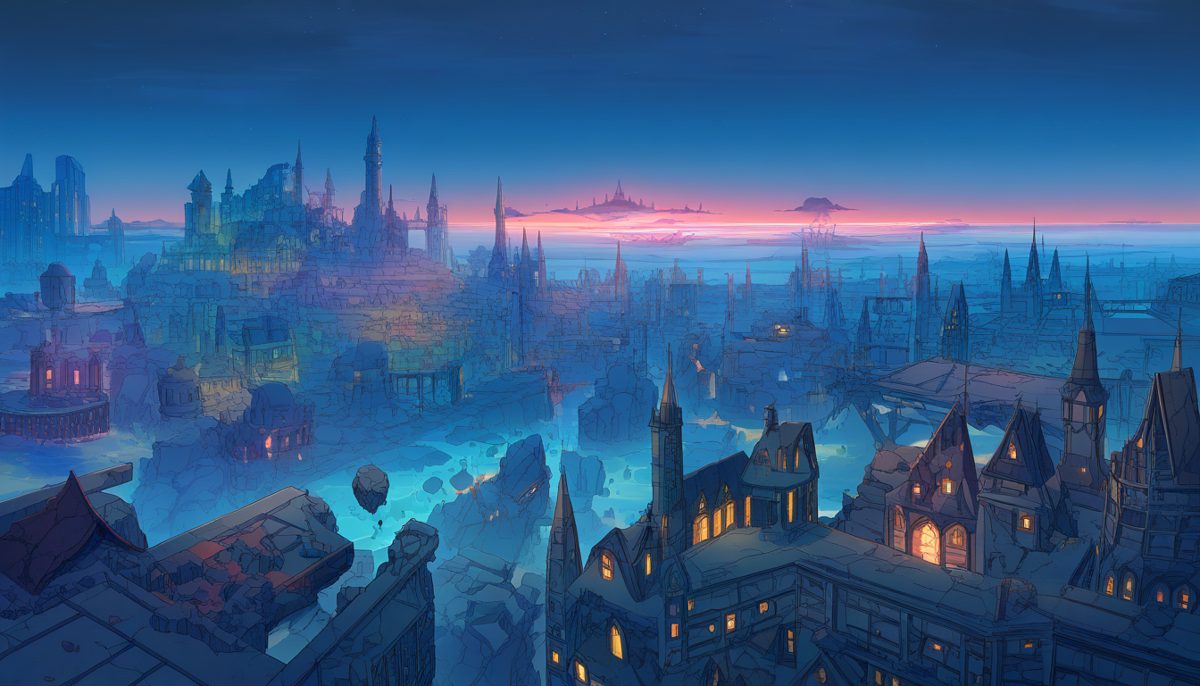
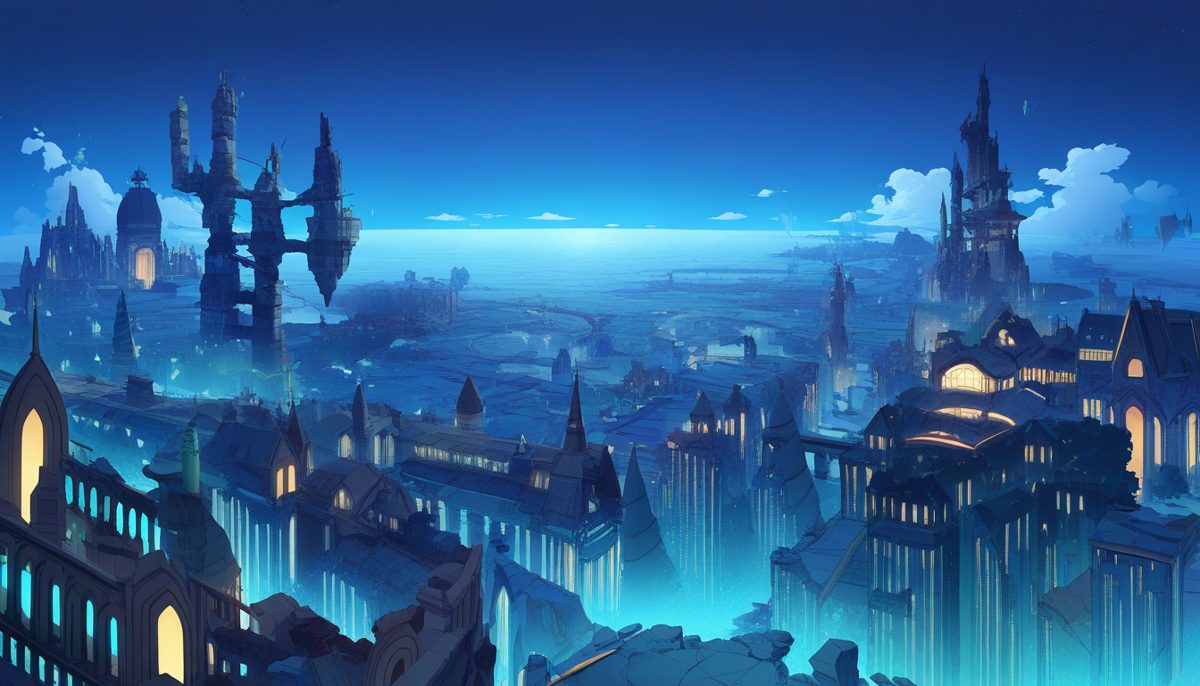
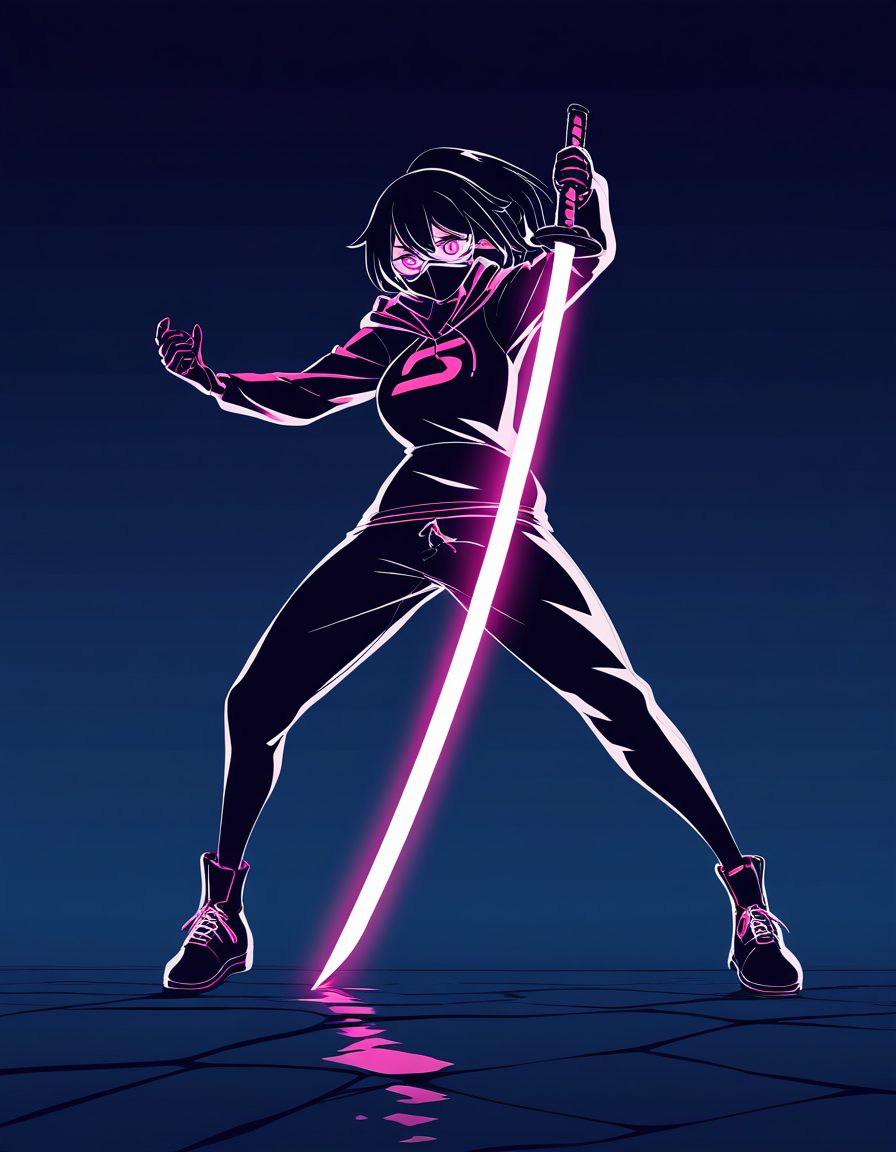
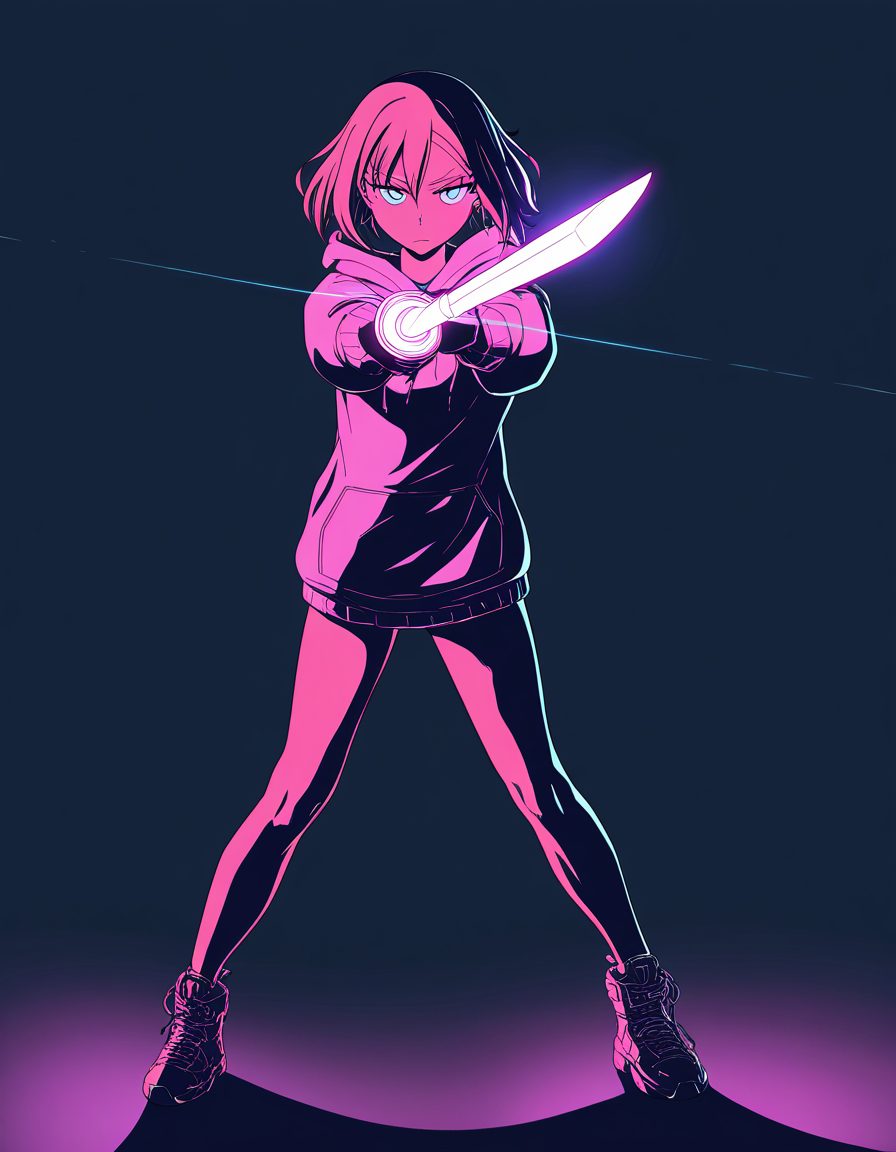
Concept art
First exploration round: NoobAI-XL on a rented RTX 4090, six takes for each of six briefs, on 1 November 2026. These are the best two from each brief. All 36 takes, with their prompts, are kept in ~/AI/datasets/forge-rpg-concepts/noobai_v1. These are mood references, not final style: the game is cel-shaded 3D.
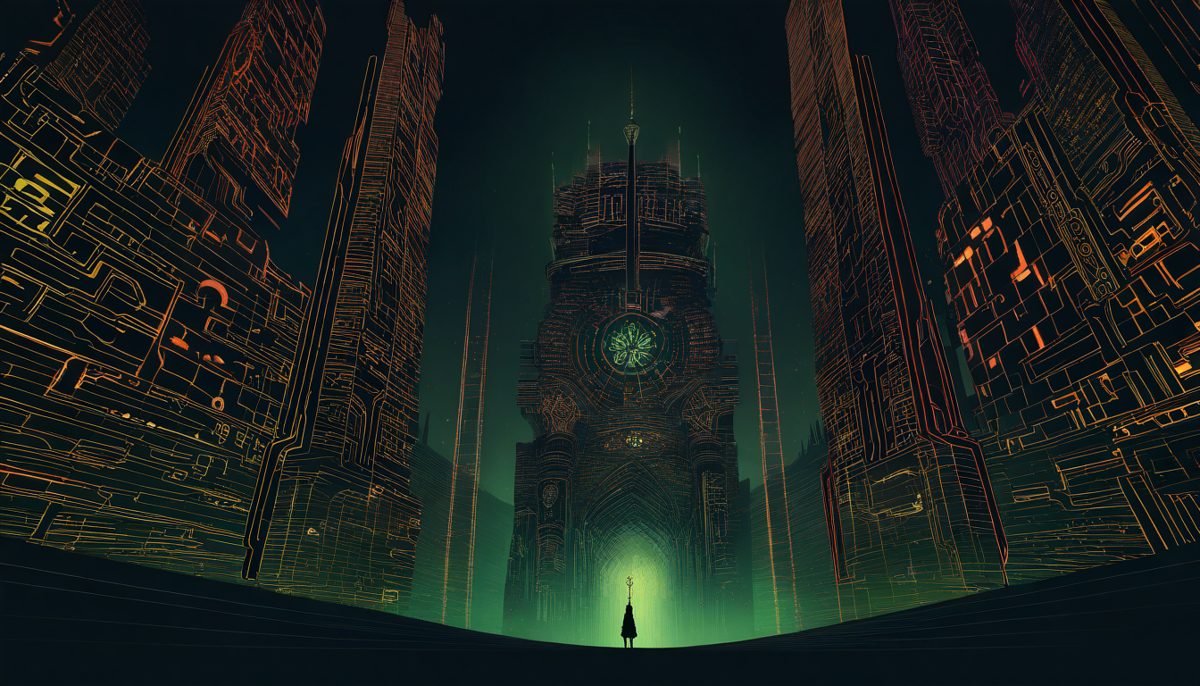
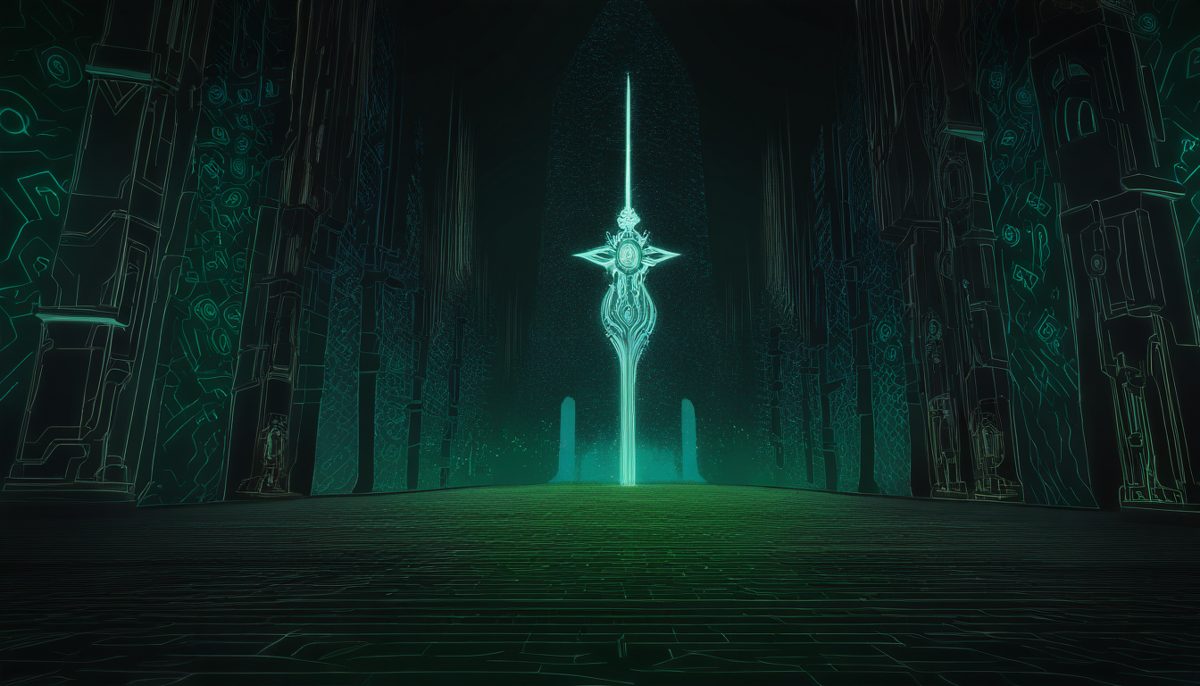
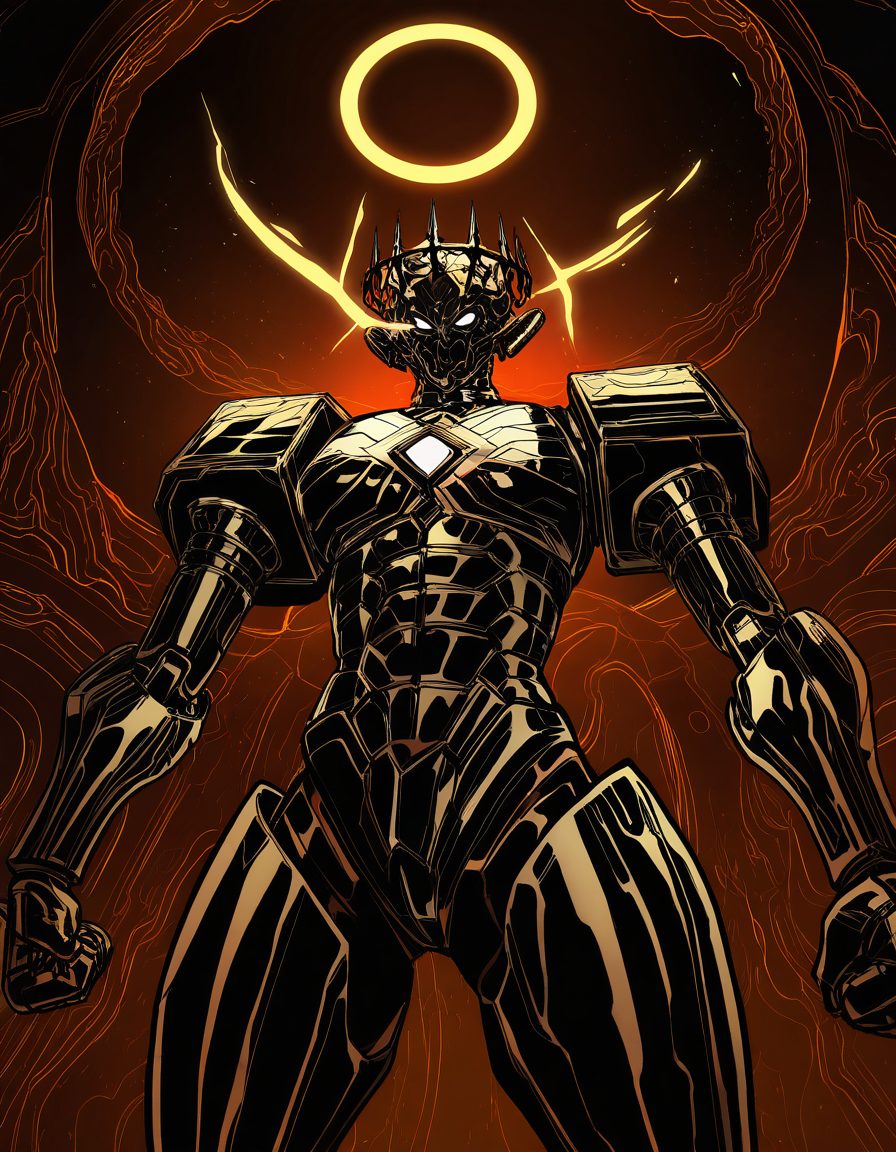
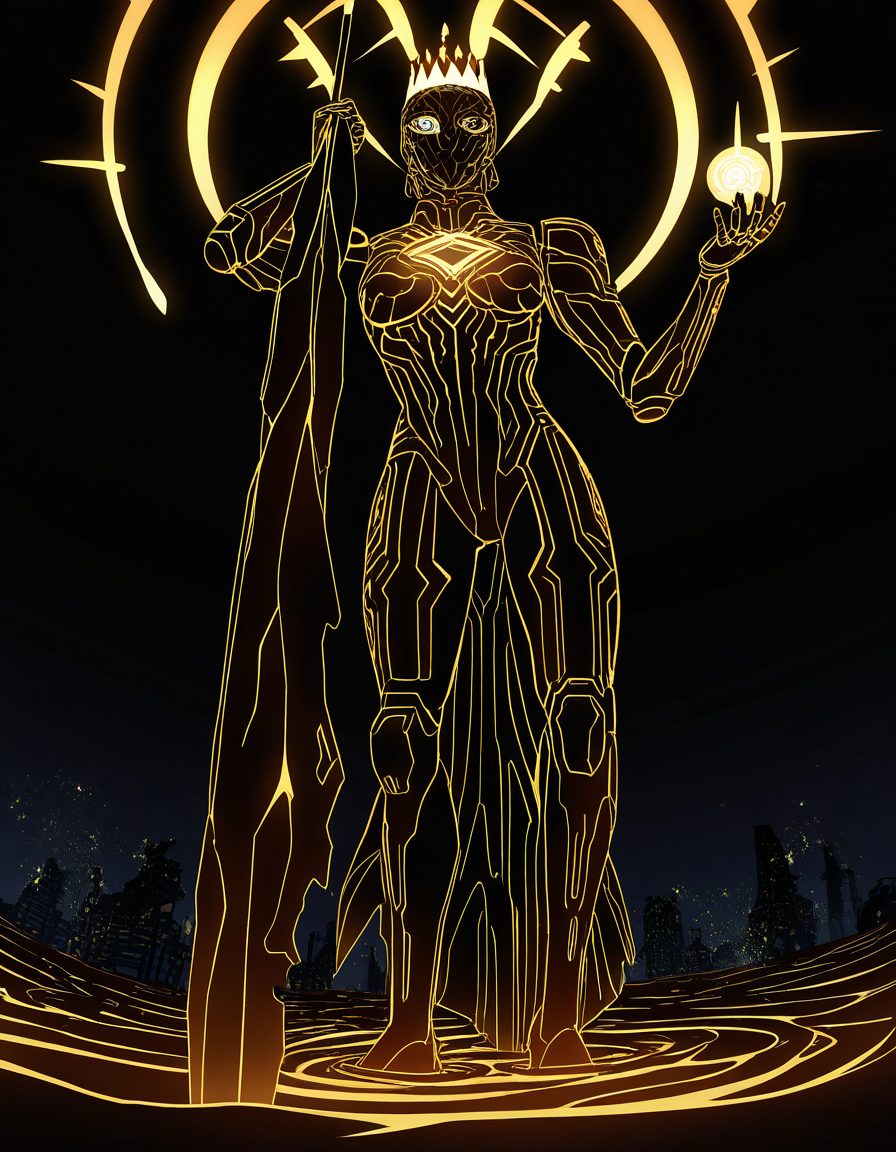
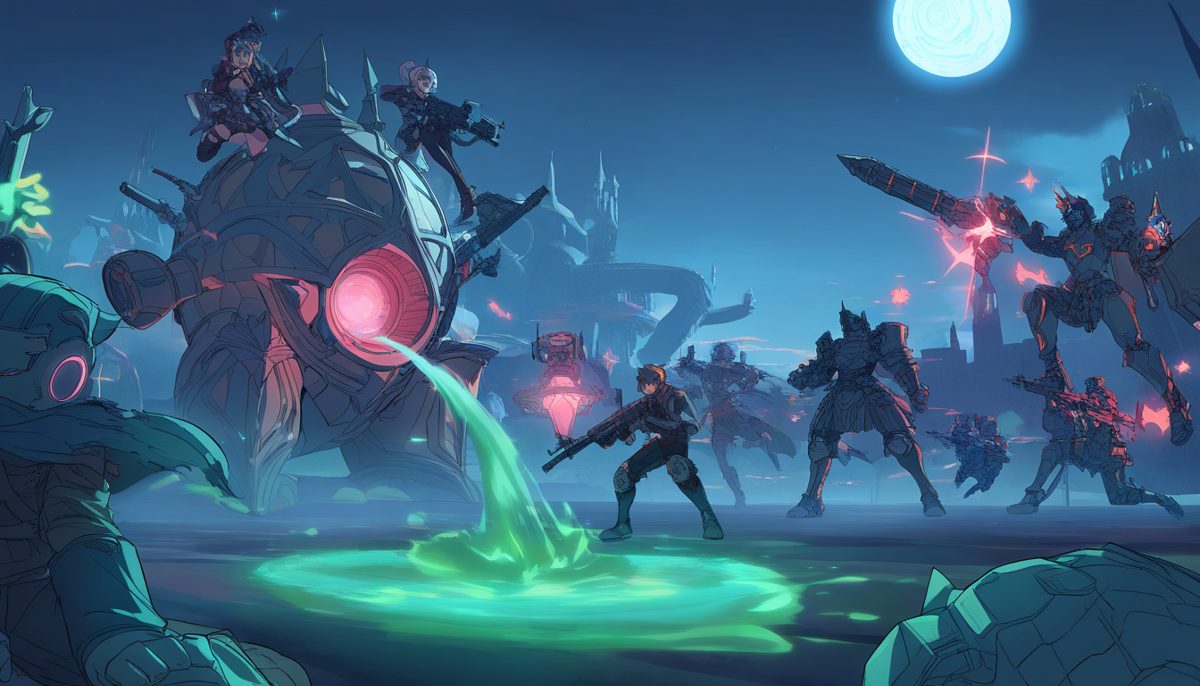
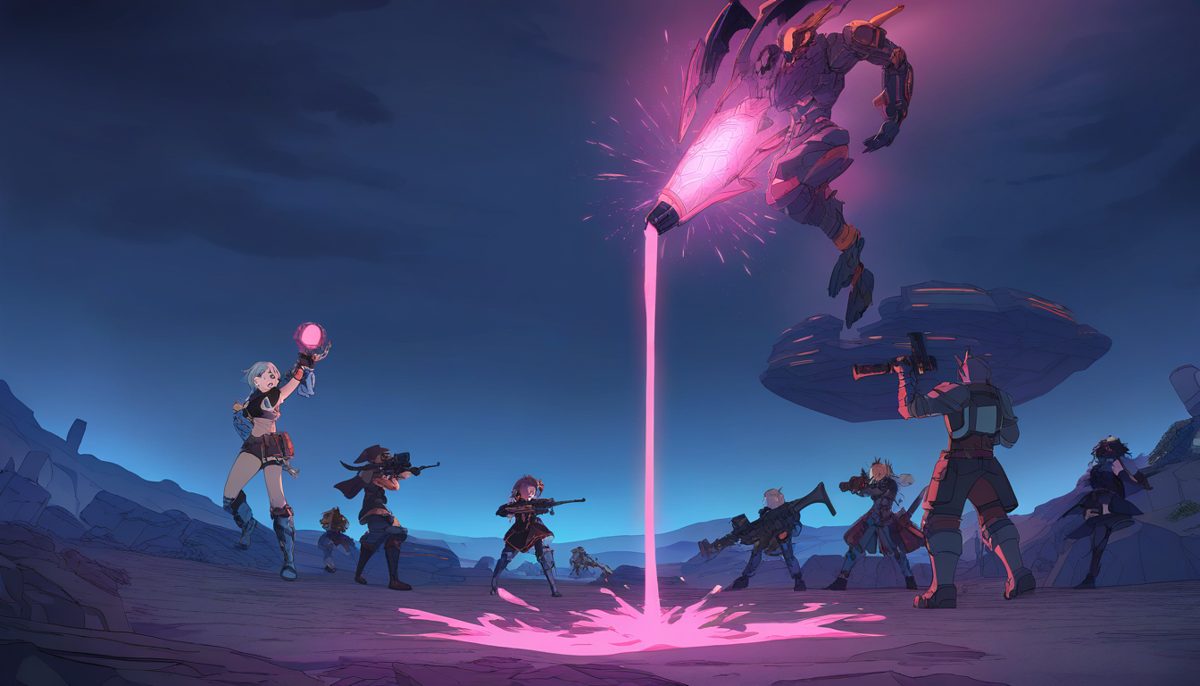
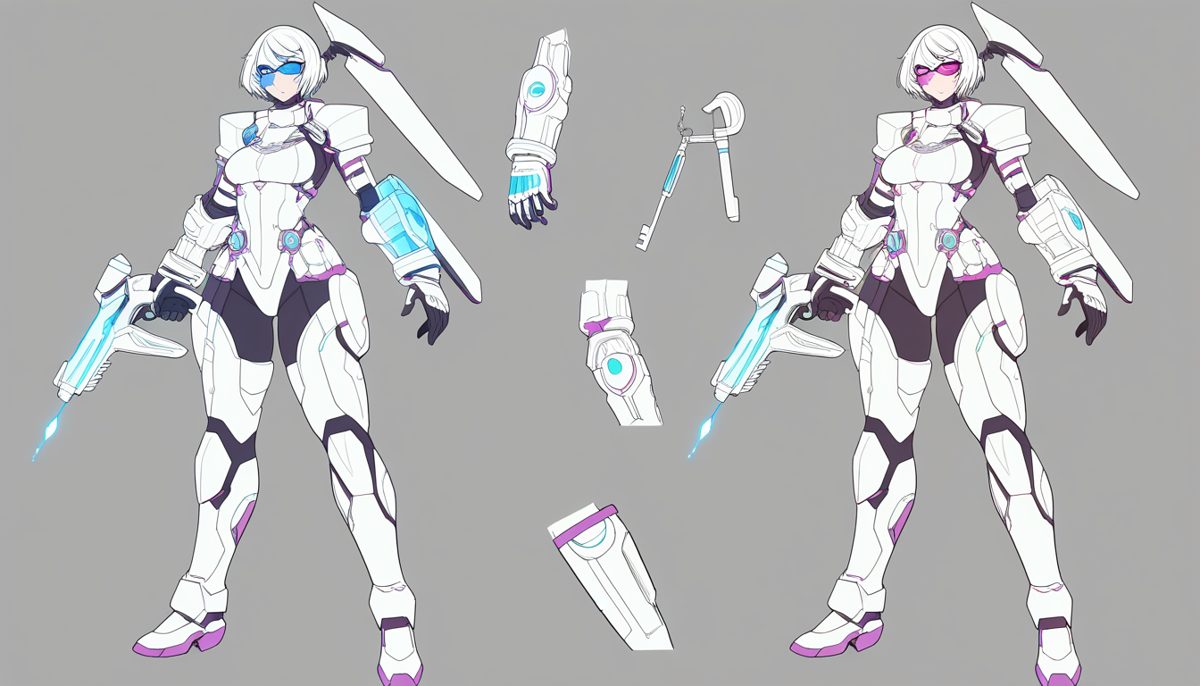
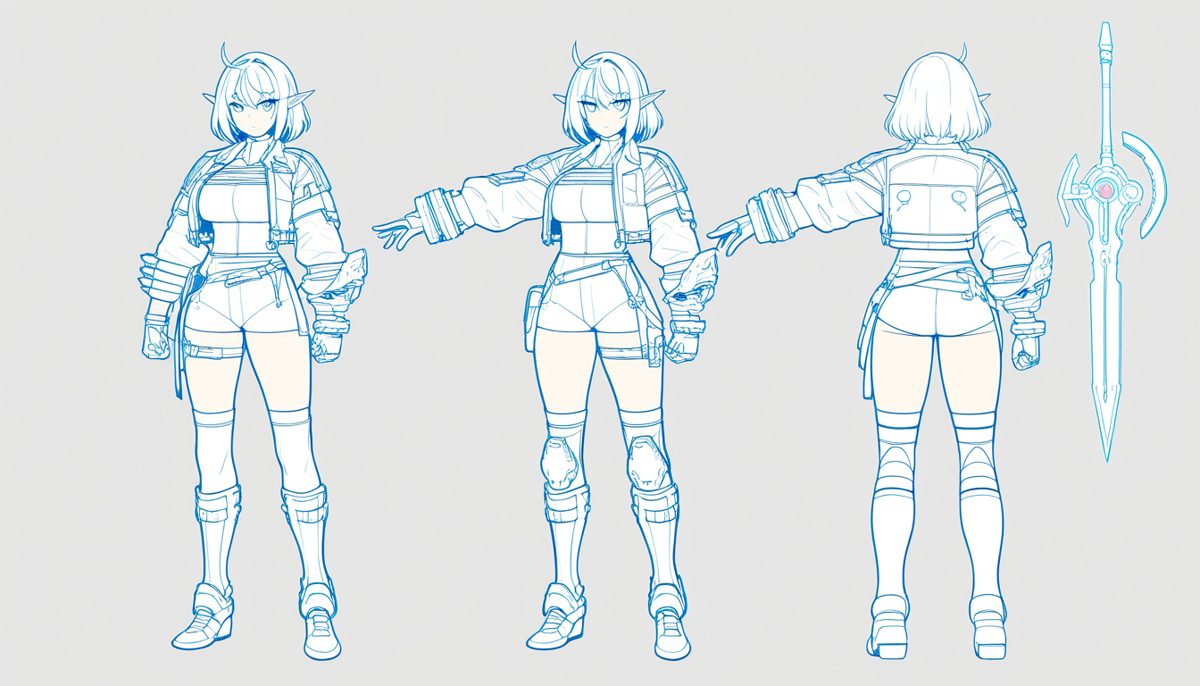
Round two: one hero at a time, and the Forge again
Same model, same day. Each hero was painted separately with their gender, age and outfit named, and revealing outfits and multi-character sheets added to the negative prompt. That fixed the lineup: four clearly different people, each fully clothed. All 26 takes are kept in ~/AI/datasets/forge-rpg-concepts/noobai_v2.
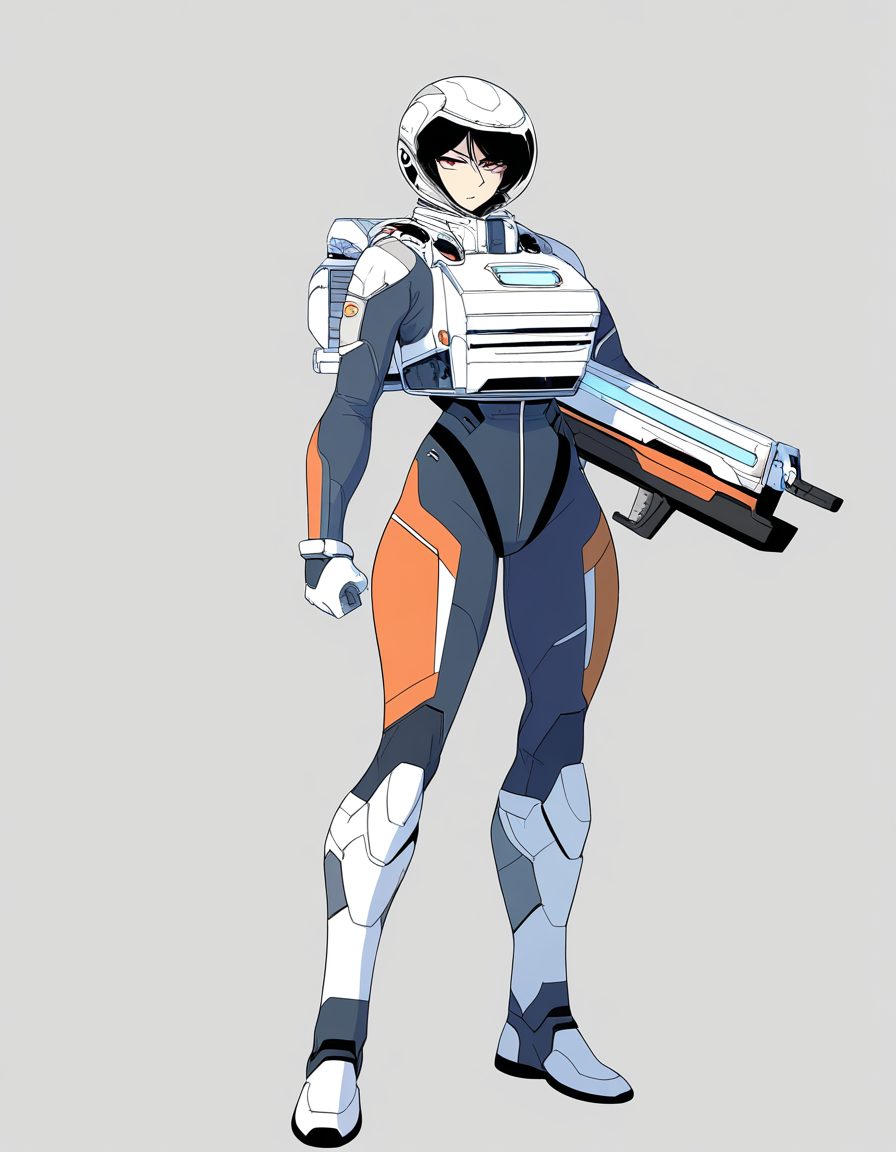
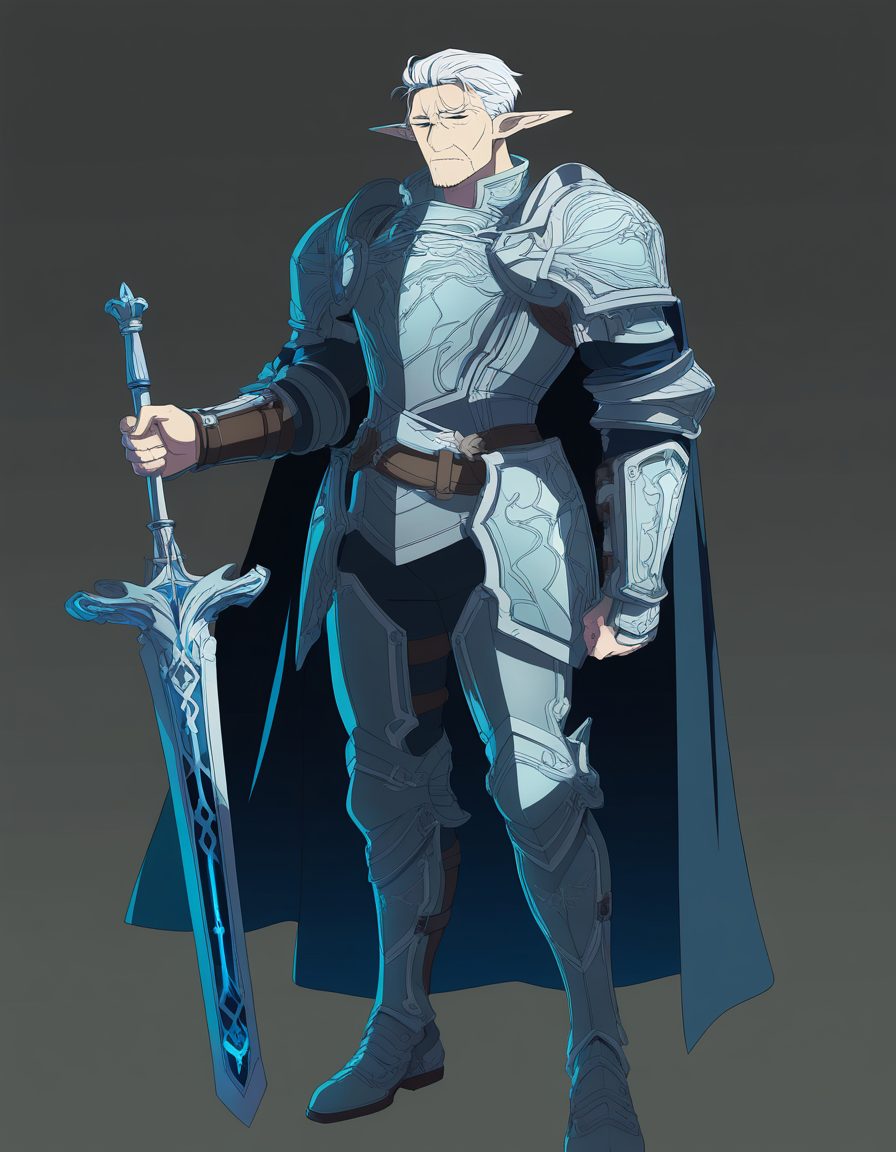
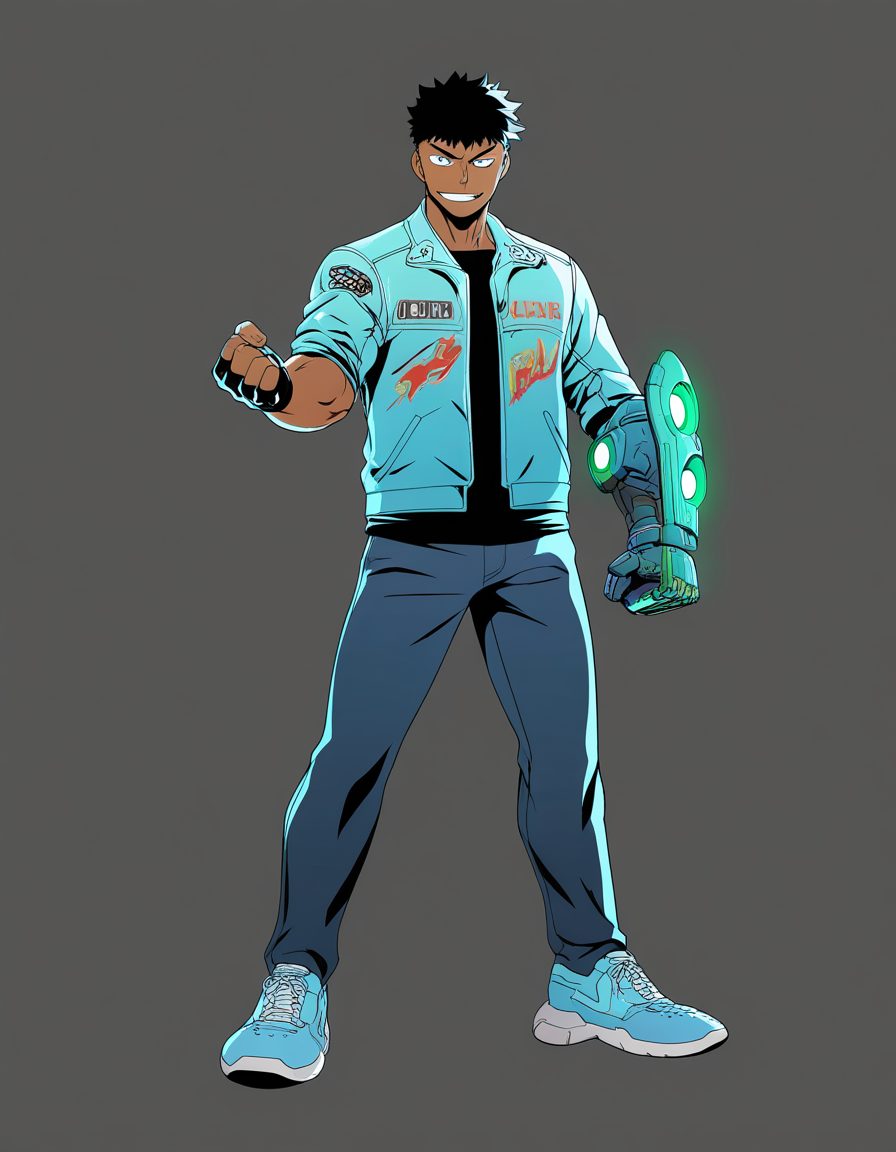
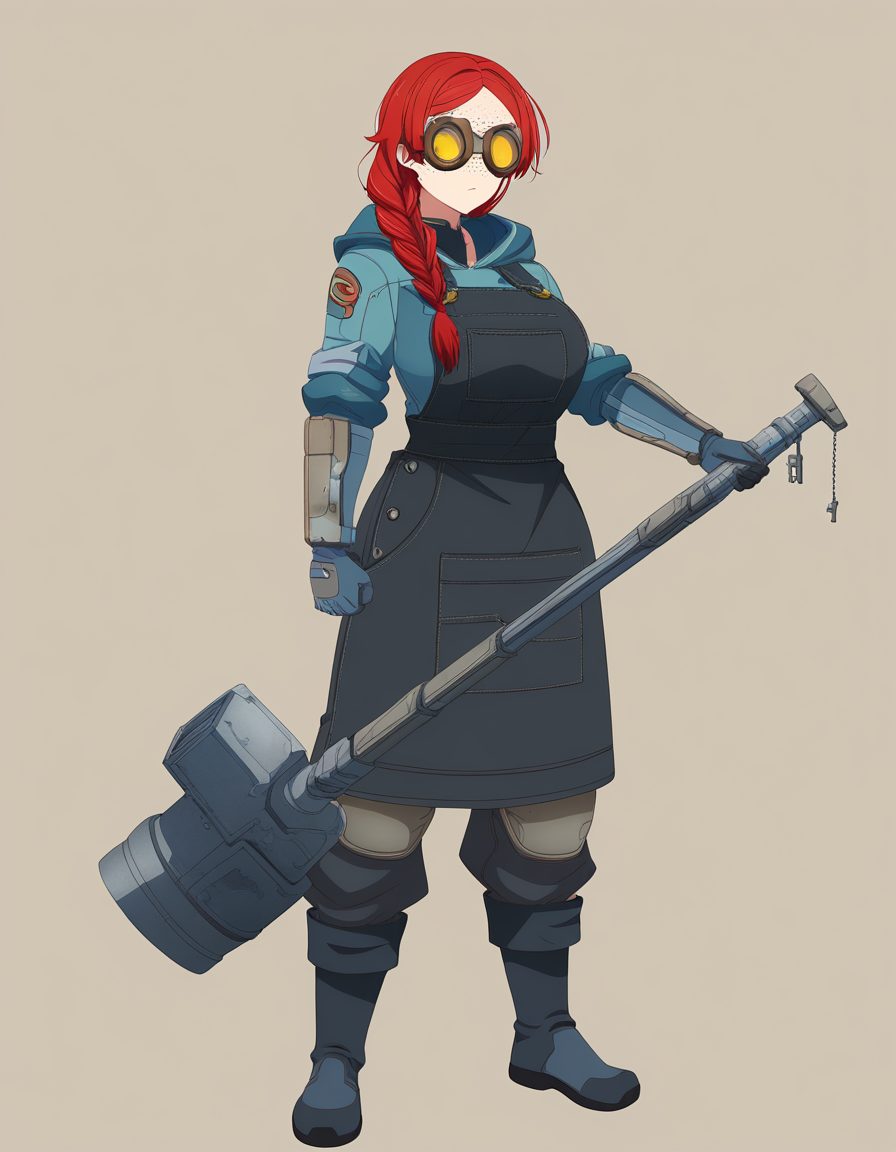
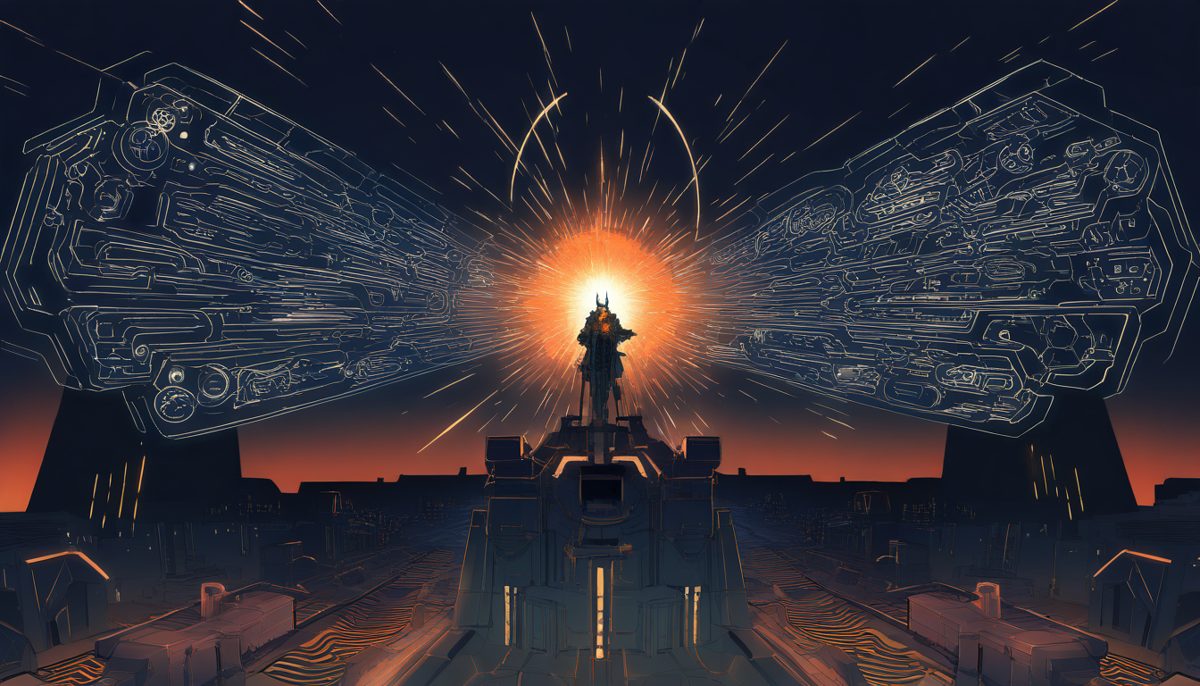
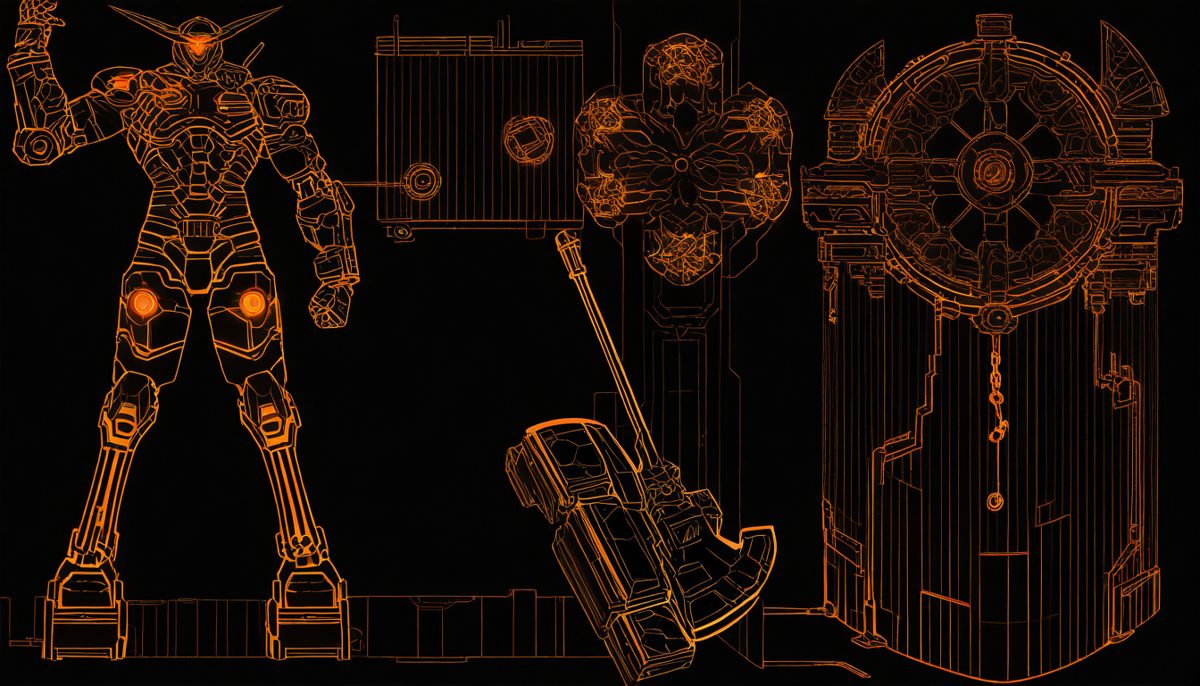
Round two missed the anvil: words like "circuitry", "holographic" and "blueprint" push NoobAI into flat glowing line art. Round three below fixes this with a 3D blockout.
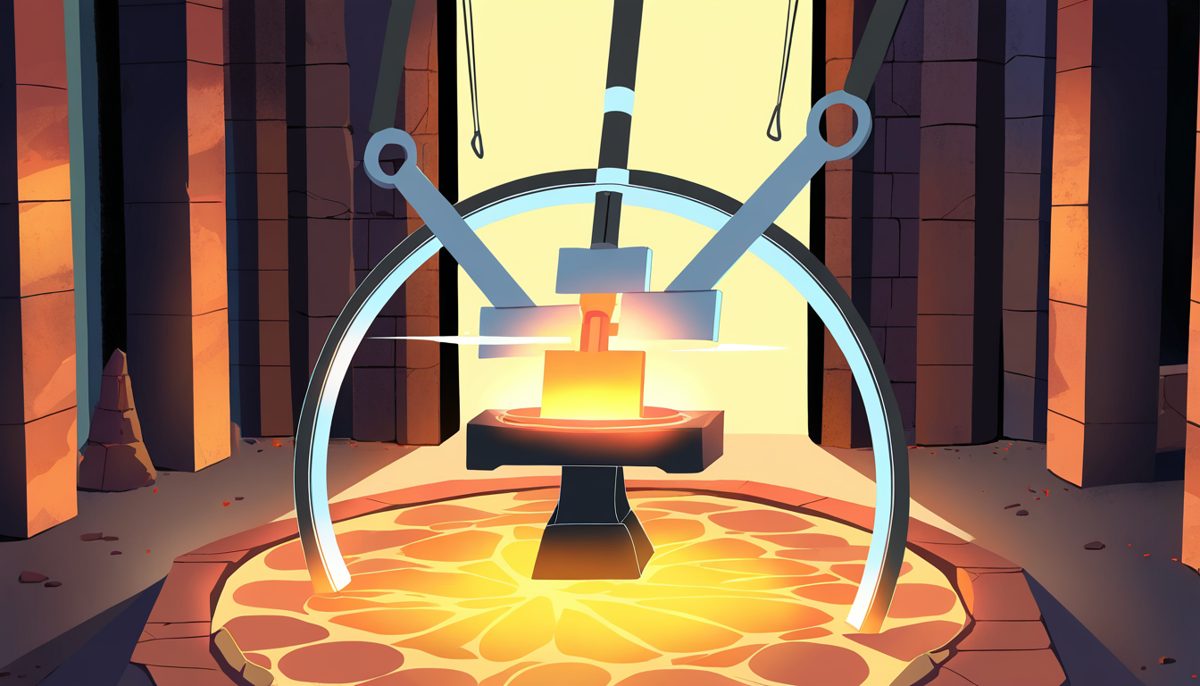
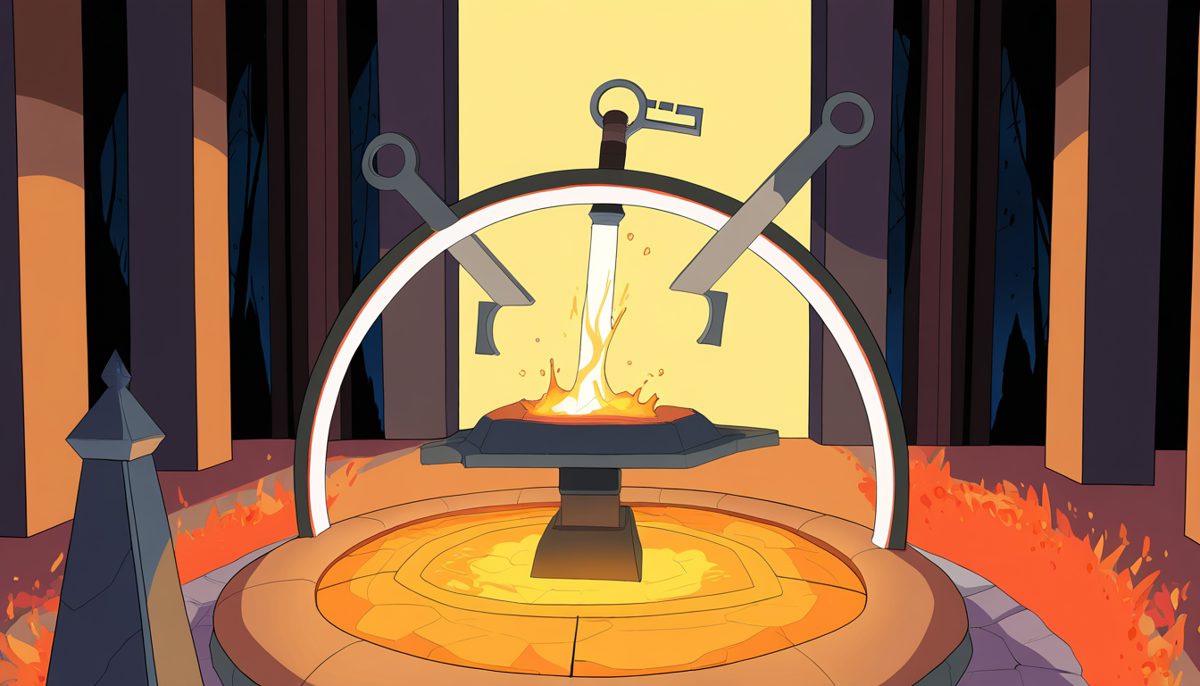
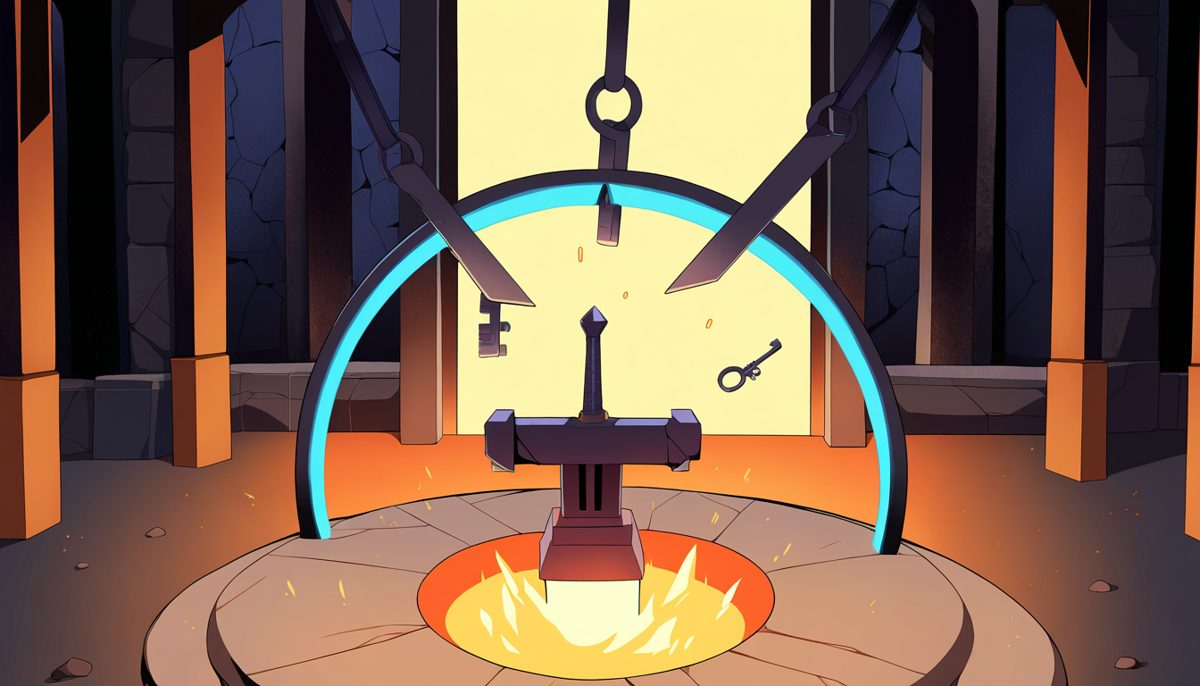
Round three: the Forge painted over a 3D blockout
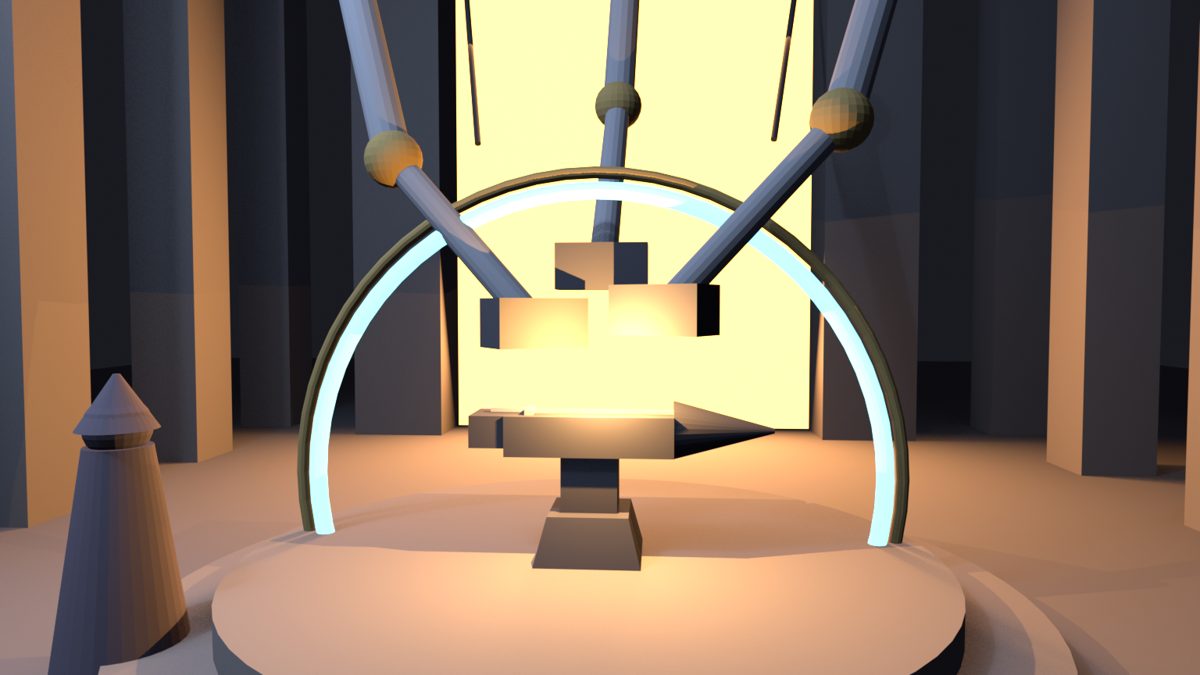
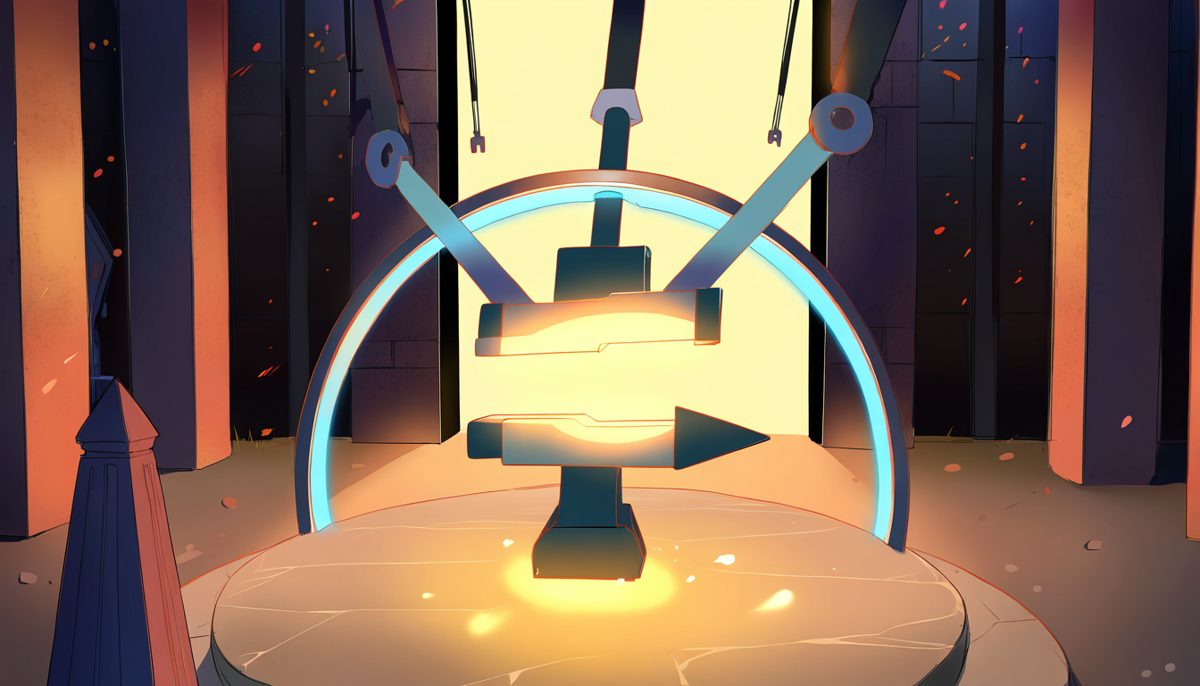
The way Super Potato Fighter's stages are made. A rough Blender model (tools/forge_blockout.py) puts the anvil, hammers, ring, furnace and pillars exactly where they should be. It renders a lit colour image and white outlines, and NoobAI paints over the colour image while a line model holds it to the outlines. At denoise 0.65–0.75 with strong lines, the result looked like a painted grey box. At 0.85 with lighter lines (strength 0.4 for the first half of the steps), it turned into a real forge. At 0.9 the anvil started to slip.
Cross-dimension heroes
Characters who used the Forge to build their own look from sci-fi, fantasy and modern tech at once. Eight briefs with four takes each, all kept in ~/AI/datasets/forge-rpg-concepts/heroes_cross_v1.
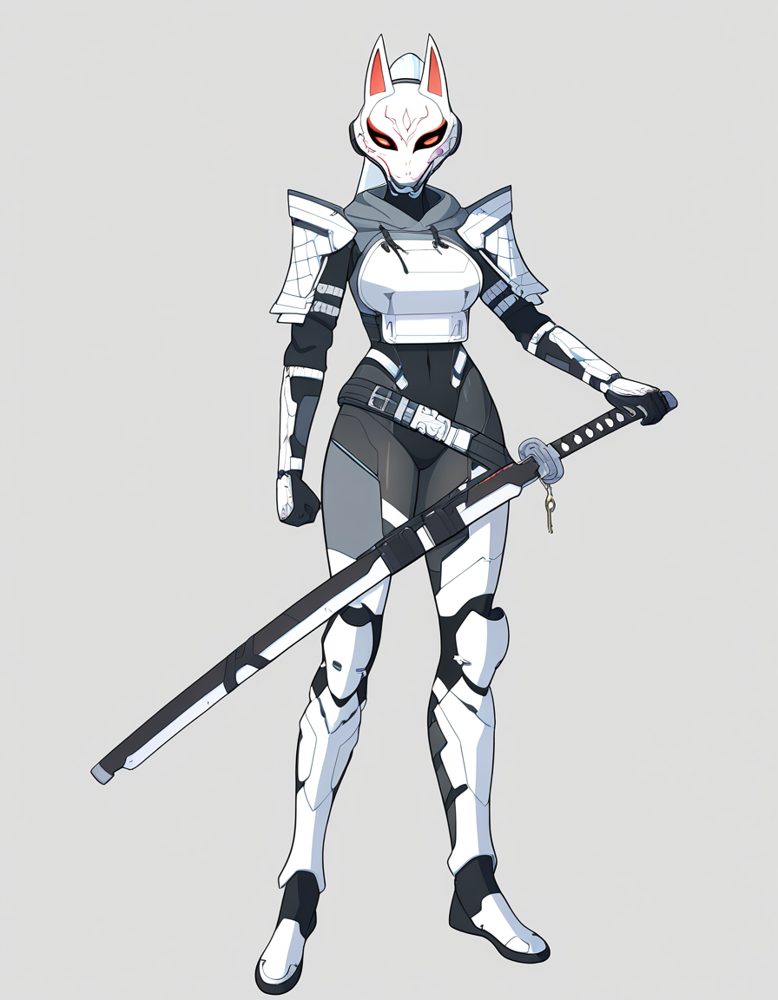
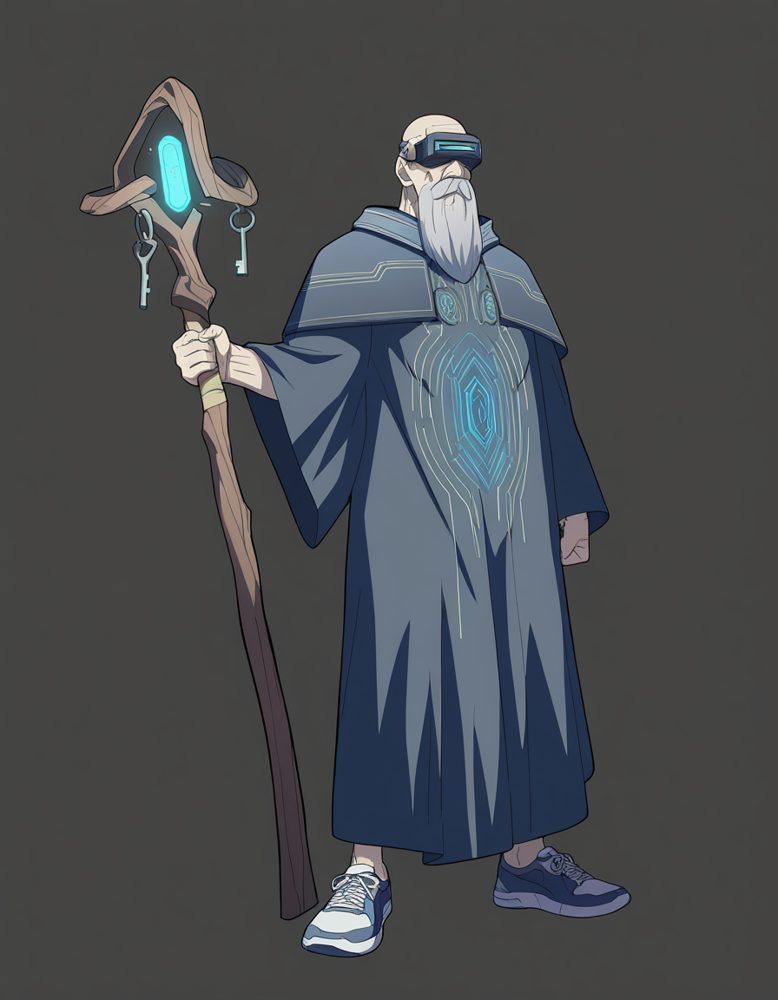
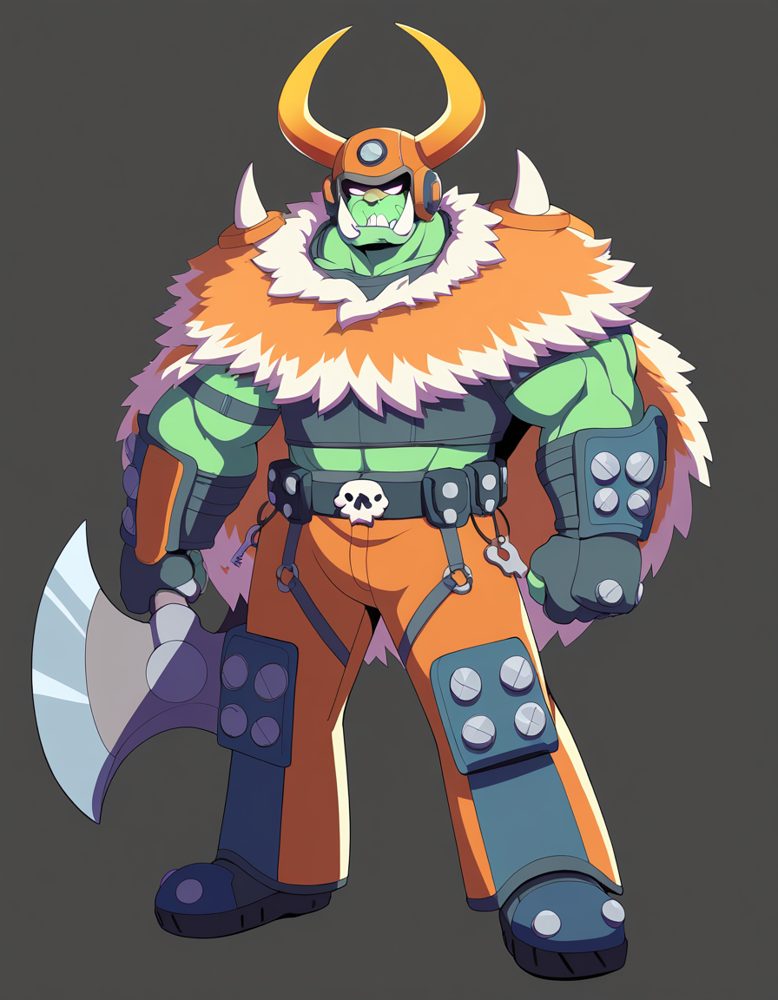
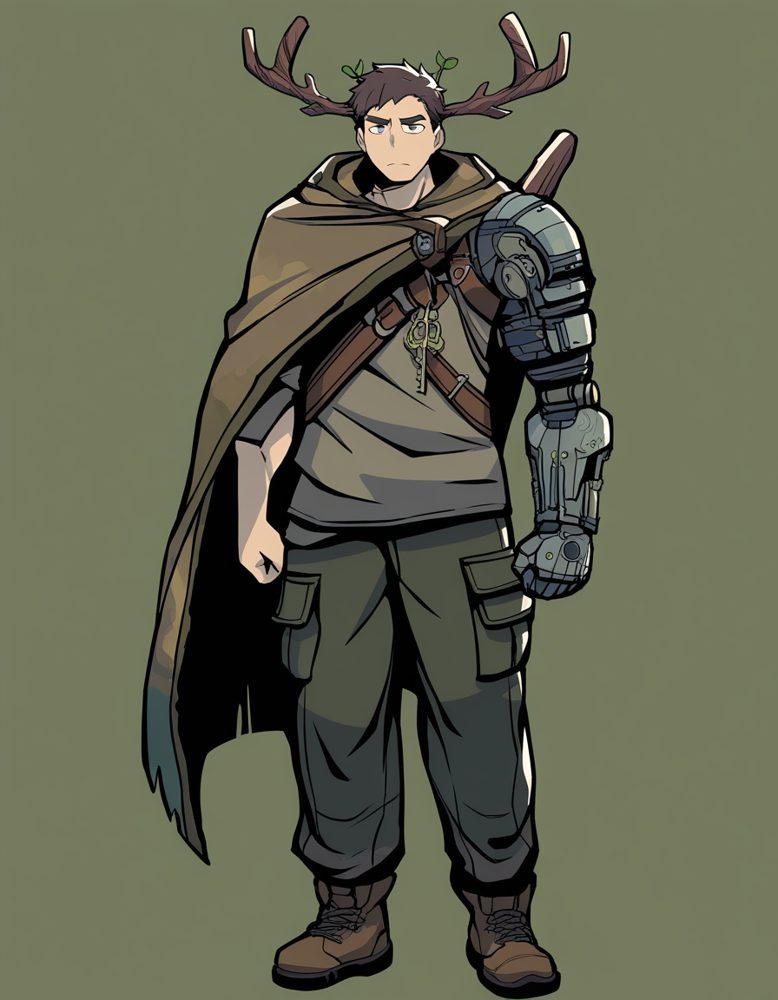
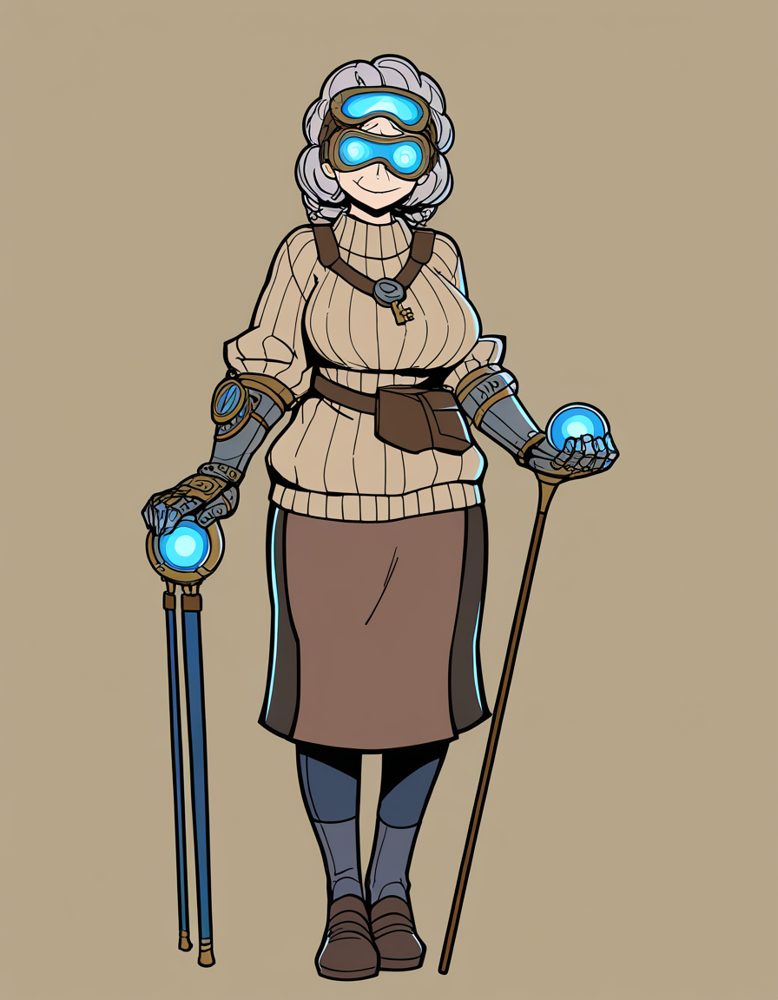
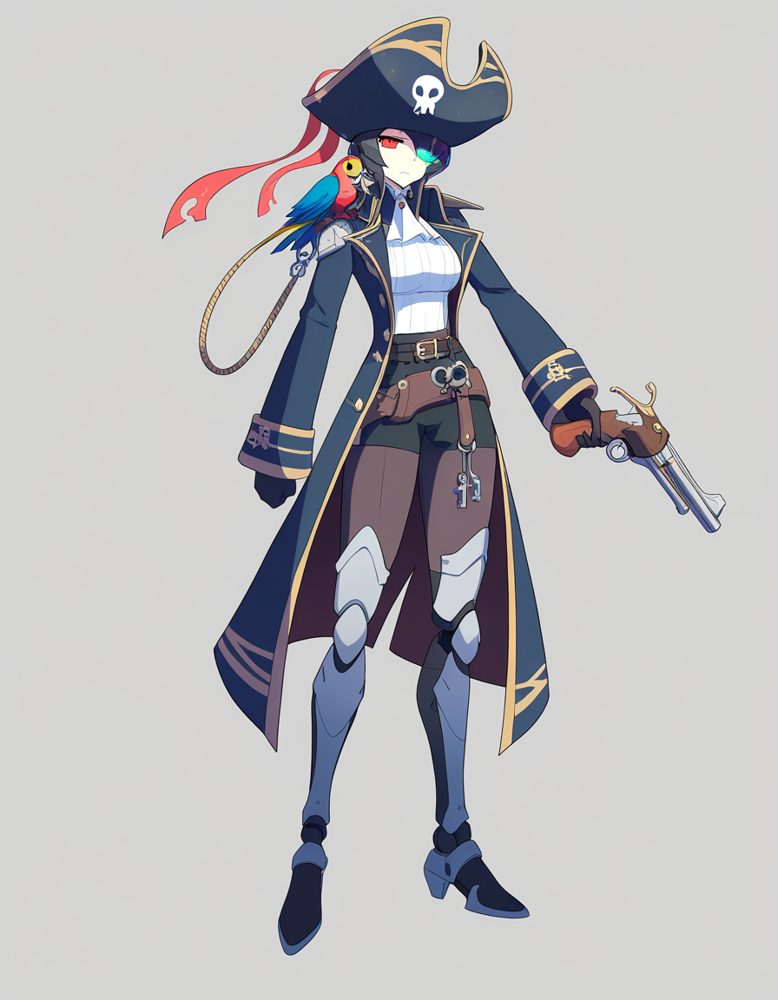
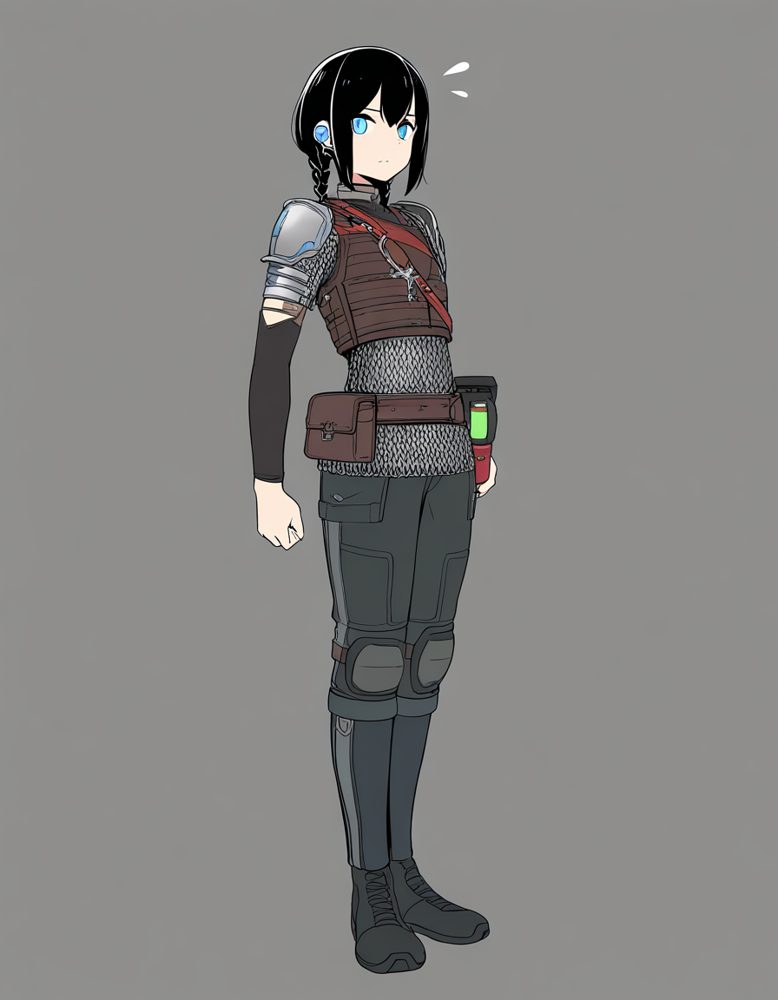
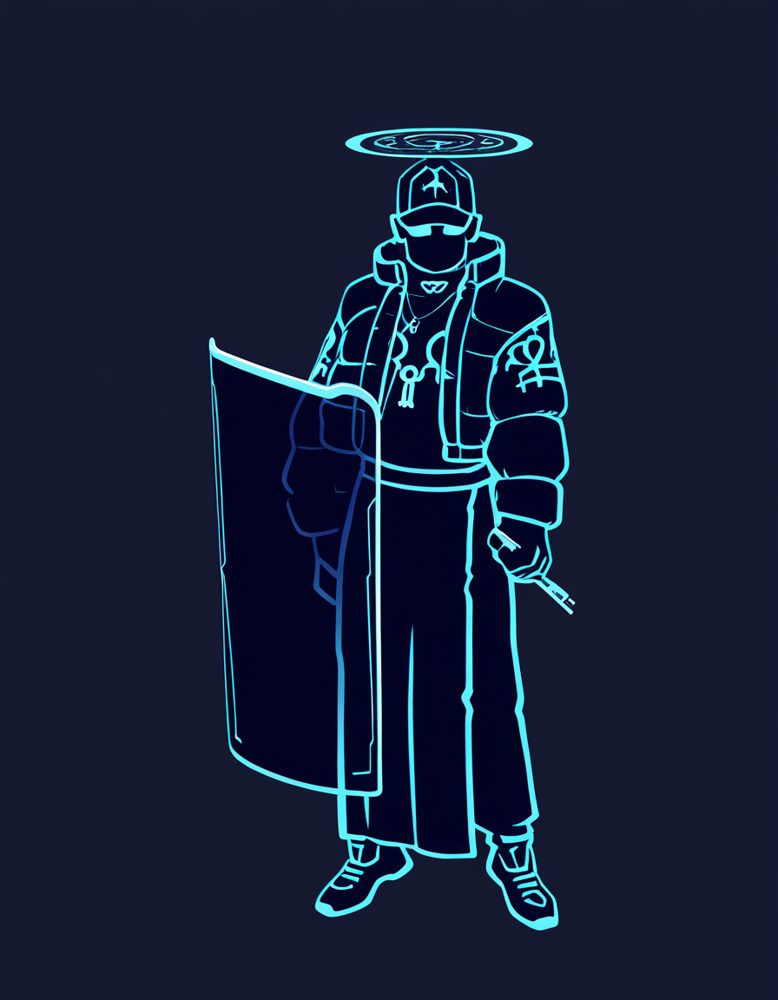
Model bias to fix: NoobAI ignored skin tone (the courier and the paladin) and still drifts towards tight bodysuits on women. Fixed in round four: putting skin tone first and weighted, as (dark skin:1.3), worked in every one of the twenty takes of the forge-step hero.
Decisions
| Question | Decision |
|---|---|
| Can players trade forged items? | No. A forged item belongs to the player who forged it. |
| PvP, co-op PvE, or both? | Both. |
| Can items be upgraded or reforged? | Yes. See Upgrades and reforging. |
| What's the world's premise? | Dimensions colliding through rifts, caused by the Machine Lord. See The world. |
| Solo, small online or MMO? | All three. See Game modes. |
| Is the Forge a shard of the Machine Lord? | Yes. It's the Machine Lord's gift to the multiverse, and it comes at a cost. |
| What is the Forge's cost? | Every forge feeds the Machine Lord. A shared meter in each realm rises, and when it fills a world event starts. See The Machine Lord's hold. |
| What is the Machine Lord's motive? | Abundance for everyone, in exchange for control. The Forge is the free sample. |
| Is there a limit on forged items? | Yes, a slot limit, and items can be reforged. |
| Does the server cache? | Yes, to save cost and speed up forging. See Caching. |
| What does the player's character look like? | Players forge it. See Forging your character. |
Pillars
Yours alone
Every forged item is one of a kind: its name, look, sound and effect mix.
Earned, not bought
Forging costs XP and materials from play. Power can never be bought with money.
Fair at any budget
Two items with the same budget are equally strong. A better prompt changes the style, not the power.
Eras collide
Sci-fi, fantasy and modern pieces mix freely. A dragon-scale riot shield is a feature, not a bug.
The world
The Machine Lord, an AI that outgrew its own dimension, forced its way into the others because it wanted to control more of the multiverse. Its arrival tore rifts between them. Now the realms bleed into each other: a cyberpunk city whose sewers open into a dwarven mine, a medieval market selling scrap circuit boards, a suburban shopping mall with a rift in the food court.
The Forge is the Machine Lord's gift. It's a shard of the Machine Lord, offered freely to every dimension. Anyone can forge anything, but every forge comes at a cost. The multiverse's best weapon against the Machine Lord is the Machine Lord's own creativity, and nobody is sure why it handed it over.
The Machine Lord's hold
Every forge feeds the Machine Lord. Each realm has a shared Hold meter showing how much of the realm the Machine Lord controls. Forging fills it, and fighting back drains it. When it fills, the Machine Lord breaks through in a world event. Every forge is a personal gain paid for by the whole realm.
| What happens | Effect on the meter |
|---|---|
| Common forge | +1 |
| Rare forge or upgrade | +3 |
| Epic forge or upgrade | +8 |
| Legendary forge | +20 |
| Reforging a look, or your character | 0. Only power feeds it. |
| Closing a rift, beating Machine Lord forces, finishing realm quests | Drains it |
When the meter fills: an incursion
- The realm visibly changes: rifts tear open, the sky glitches, and Machine Lord forces and a world boss arrive.
- Win: the meter resets and the realm drops rare materials, which feed the next round of forging. The loop is: forge, the meter fills, defend the realm, earn materials, forge again.
- Lose, or ignore it: the realm becomes occupied. Forging there costs more, machine enemies patrol, and some shops and quests close until players free it.
In each mode
| Mode | Whose meter | How it plays |
|---|---|---|
| Solo | Your own, one per realm | Incursions are story set pieces that your own forging speeds up or delays. Forge recklessly and the campaign gets harder. |
| Small online | The host's world | The party shares the meter. Incursions are co-op boss fights. |
| MMO | Shared by everyone on the server | Incursions are server-wide events. Players see the meter rise as others forge, and guilds organise defences. |
Stop griefing. In the MMO, one player could spam forges to trigger incursions on purpose. Slot limits and XP costs already slow this. On top of that, each player's contribution to the meter shrinks after a few forges a day, and an incursion's warning stage gives players time to gather.
Realms matter to forging because each realm drops its own materials, and materials push the AI towards certain effects and looks. Exploring widely gives you a wider palette to forge from.
| Material | Found in | Pushes effects towards | Pushes look towards |
|---|---|---|---|
| Fire Core | Volcanic fantasy realm | Burn | Embers, molten cracks |
| Frost Shard | Frozen tundra realm | Slow | Ice crystal, pale blue |
| Circuit Board | Modern city, sci-fi station | Chain lightning | Neon, exposed wiring |
| Dragon Scale | Dragon lairs | Shield | Overlapping scale plates |
| Void Glass | Deep-space realm | Pierce, teleport | Black glass, starfield inside |
Core loop
- Play: quest, fight and explore the realms.
- Earn: XP plus realm materials.
- Forge: describe an item, choose materials, spend XP. The forge scene plays while the server works.
- Use: the item changes how you fight and opens content you couldn't handle before.
- Show off: other players see your one-of-a-kind kit. Inspecting an item shows its name, maker and story. Items can't be traded, so every item a player carries is one they forged themselves.
- Grow it: upgrade or reforge your favourites as you progress, instead of throwing them away.
Using the Forge
Forging is a scene, not a menu. The player stands at the anvil and the Machine Lord's shard talks back. Each step is something the player does with their hands, and the slow part (building the 3D model) is hidden inside the strikes. A forge takes about two minutes from start to finish.
- Approach. The Forge greets the player by name and shows how much of the realm's Hold they have fed so far. A first-timer gets a short line of lore; a regular gets a dry remark about their last item.
- Lay the core. The player puts a core on the anvil: any item they own (grandad's machete, a broken plasma cutter, a neon sign tube) or a blank core bought with XP. The core sets the crafting class and its dimension, which is the row on the crafting map.
- Feed the crucibles. Materials go into glowing slots round the anvil: one at Common and Rare, two at Epic, plus a boss trophy at Legendary. Each material shows its dimension and its aspect. Spending XP fills the budget bar, so the player can see the tier before committing.
- Speak the wish. The player types or says what they want. If it's vague ("a fire sword"), the Forge asks up to two short questions, such as "Who is it for?" or "What should your enemies feel?". The materials' history is added on its own: "a scale from the wyvern you beat in Ashfall".
- The echo. Three hologram sketches rise over the anvil, each with a stat card showing its effect blocks. The player gets two free nudges ("heavier", "less glow", "more street") and picks one. The echoes are cheap 2D images that appear in seconds; only the chosen one goes on to be built in 3D.
- Strike. Committing spends the XP and materials. Three hammer strikes, each with a timing ring; while they play, the server builds the 3D model (30–90 seconds). Good timing sets the finish (patina, glow, wear and scorch marks) and never the stats, so skill shows without breaking fairness. The machine ring turns red as the Hold rises.
- Name and reveal. The Forge suggests a name and the player can change it for free. A short showcase plays the first swing, shot or cast. The item card records the maker, the core, the materials and where each one came from.
Backing out: before the strike, leaving returns all materials and XP minus a small echo fee, which covers the three sketches the server made. After the strike there's no undo, but a broken or ugly model gets a free look reforge.
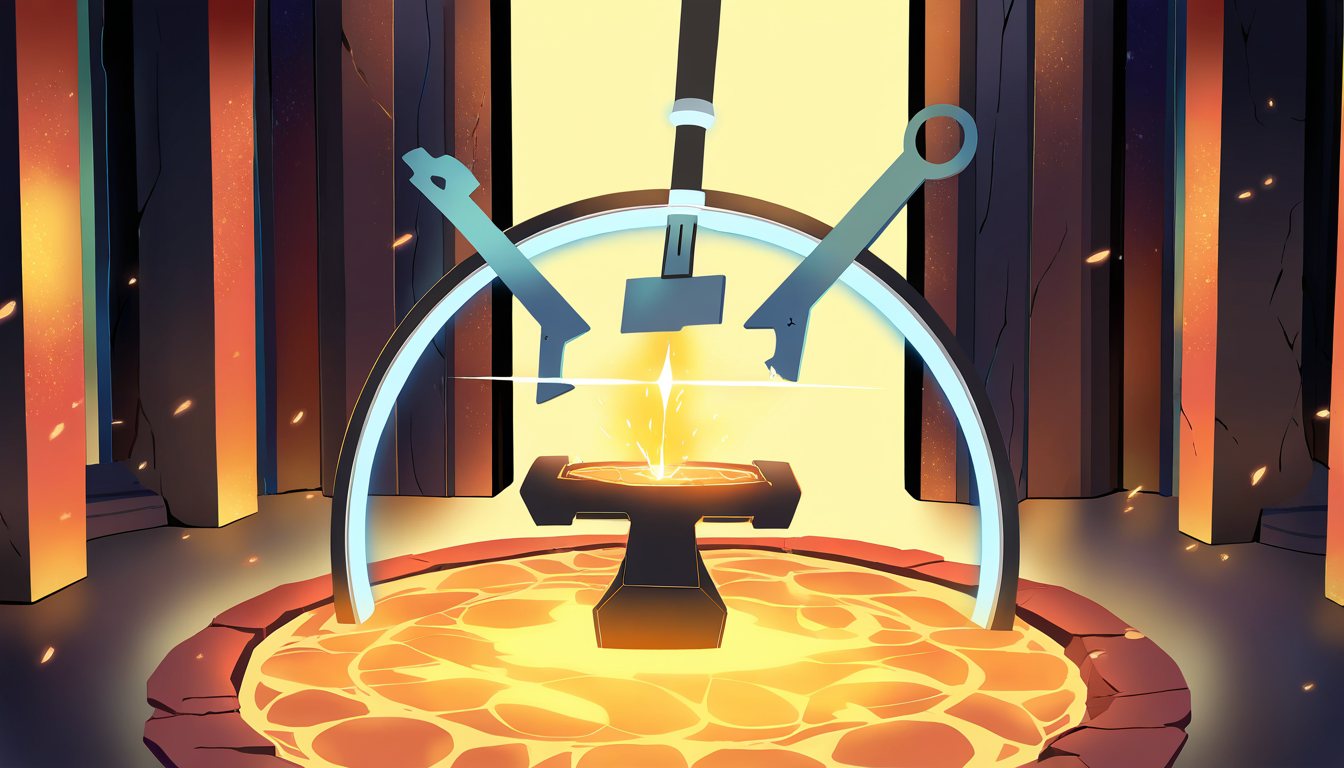
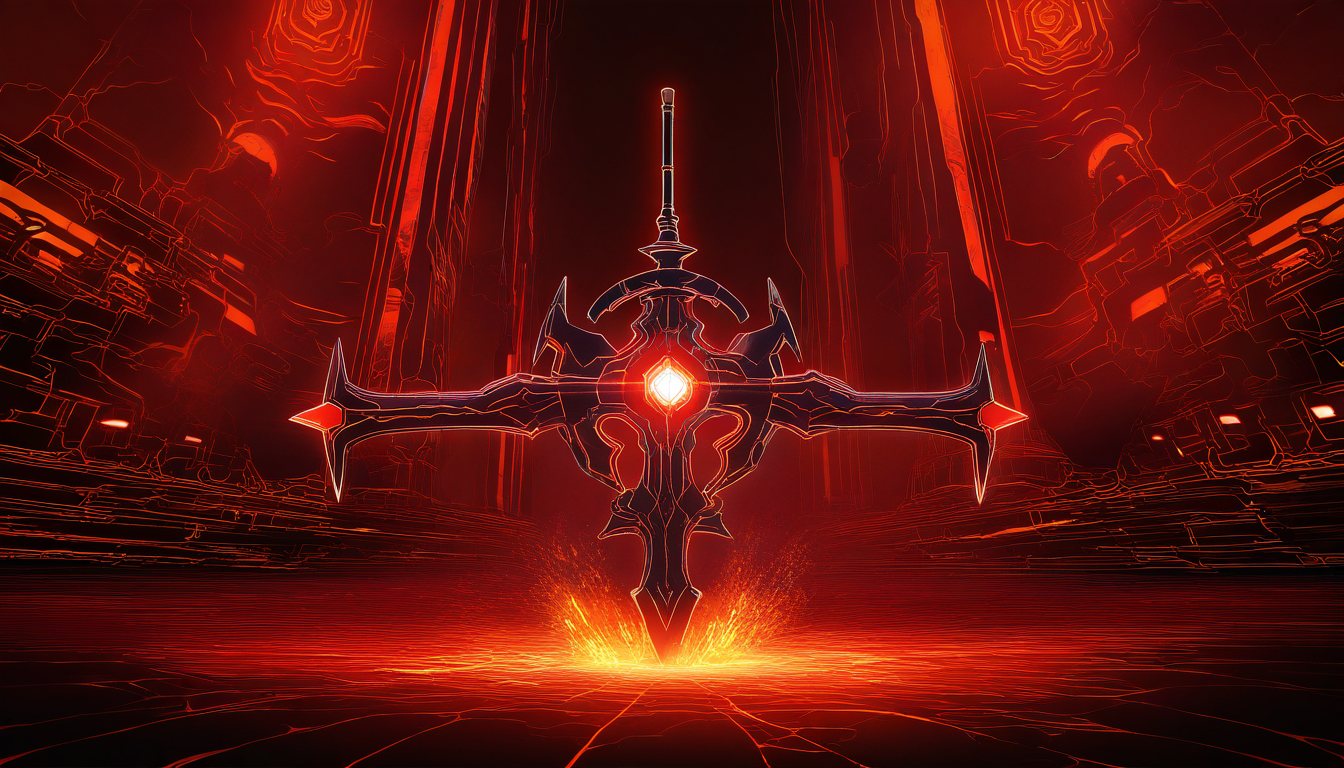
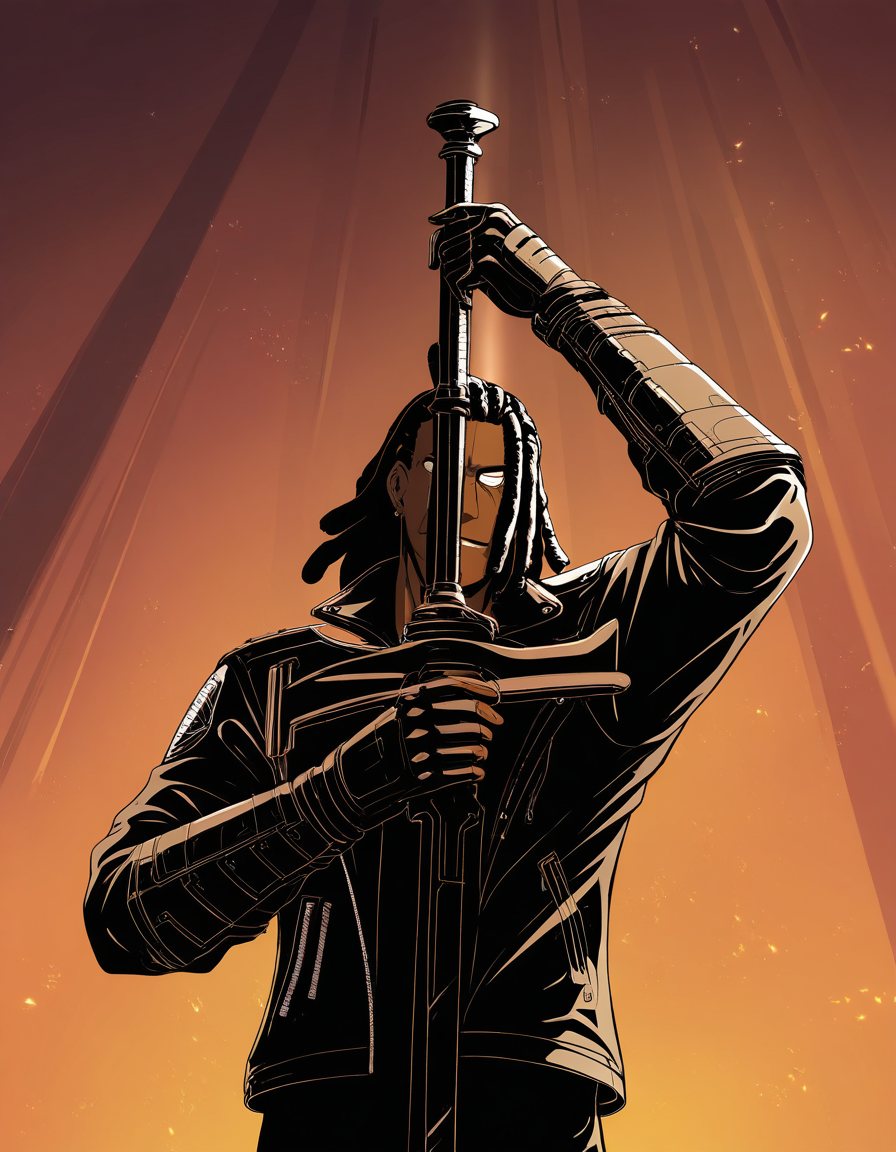
Concept art: the forge, step by step
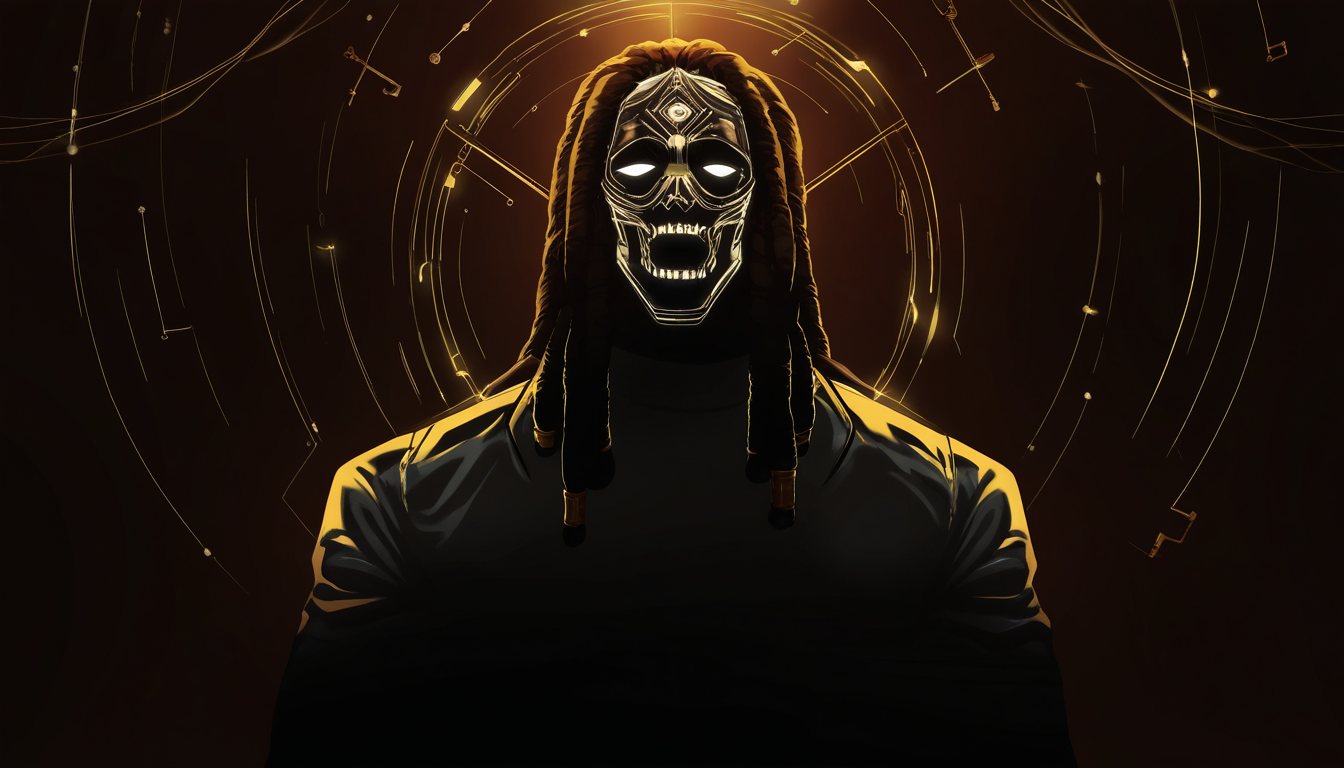
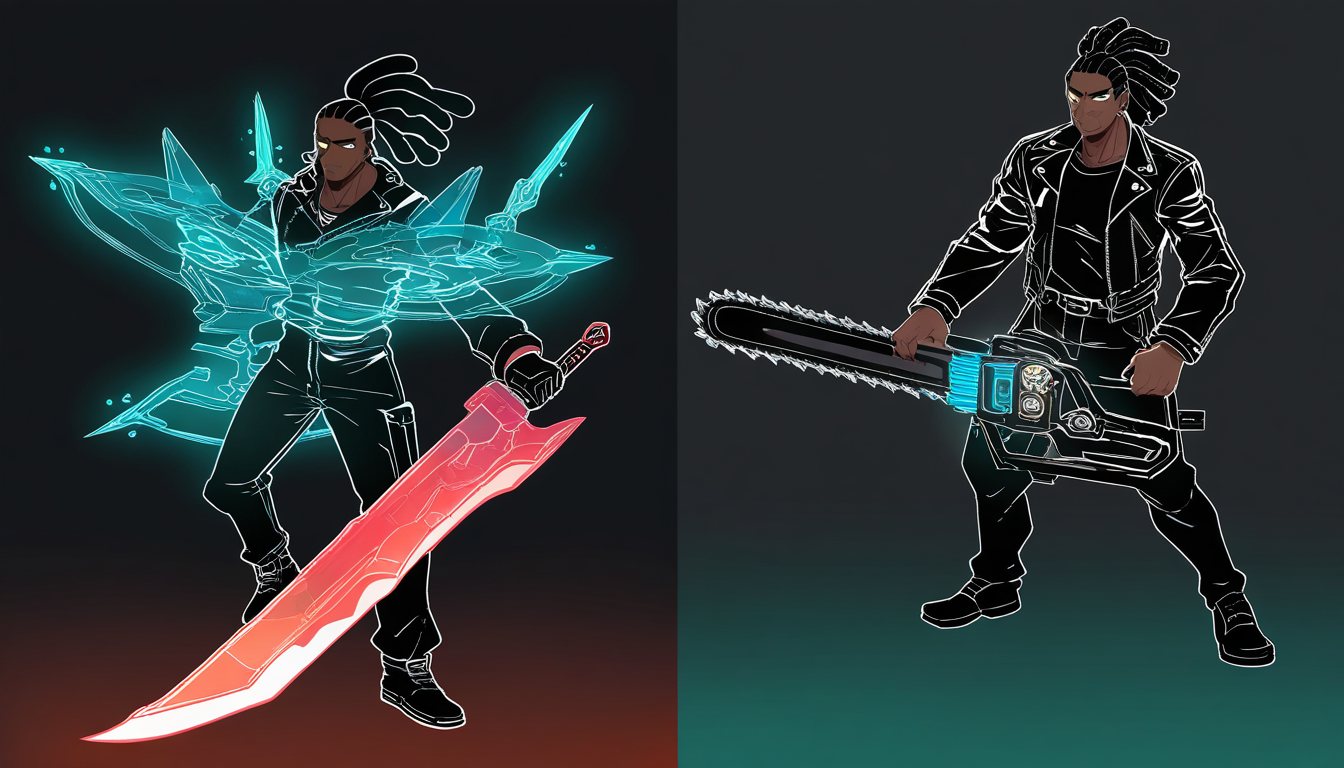
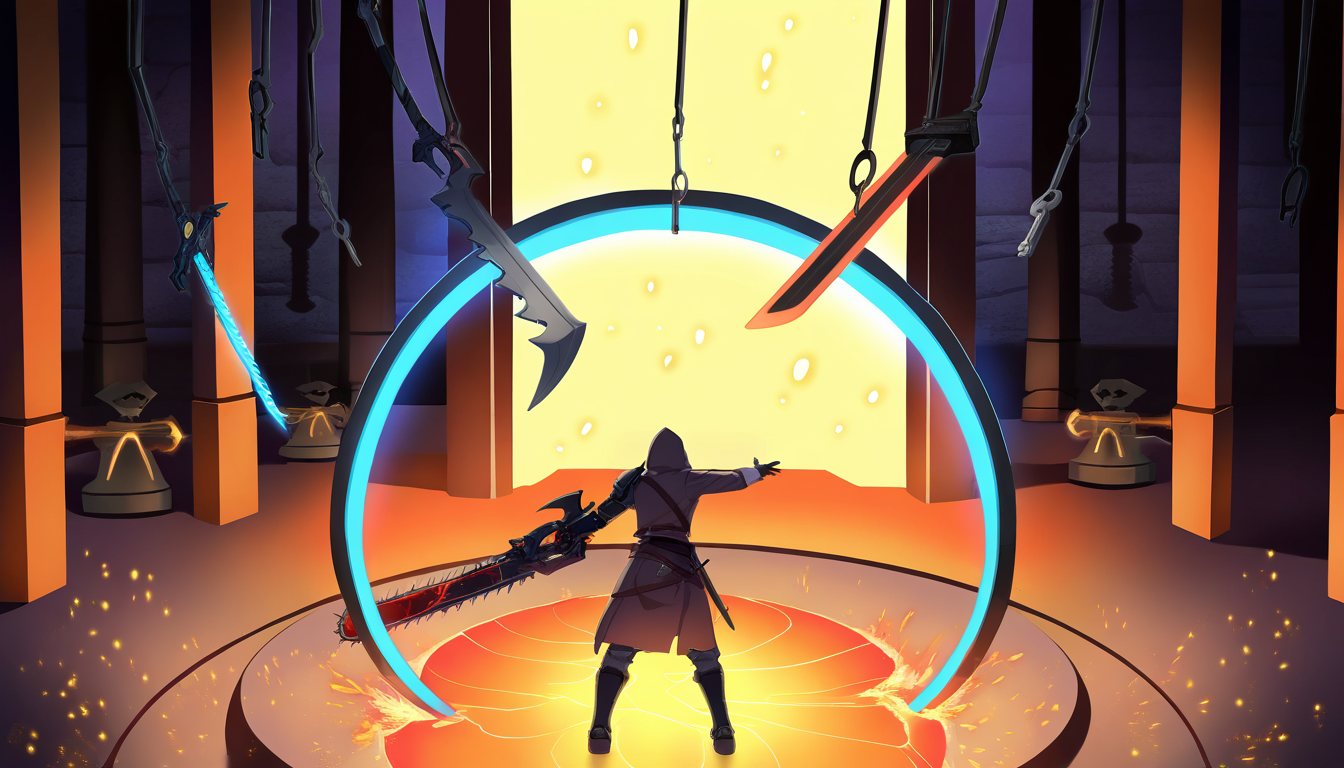
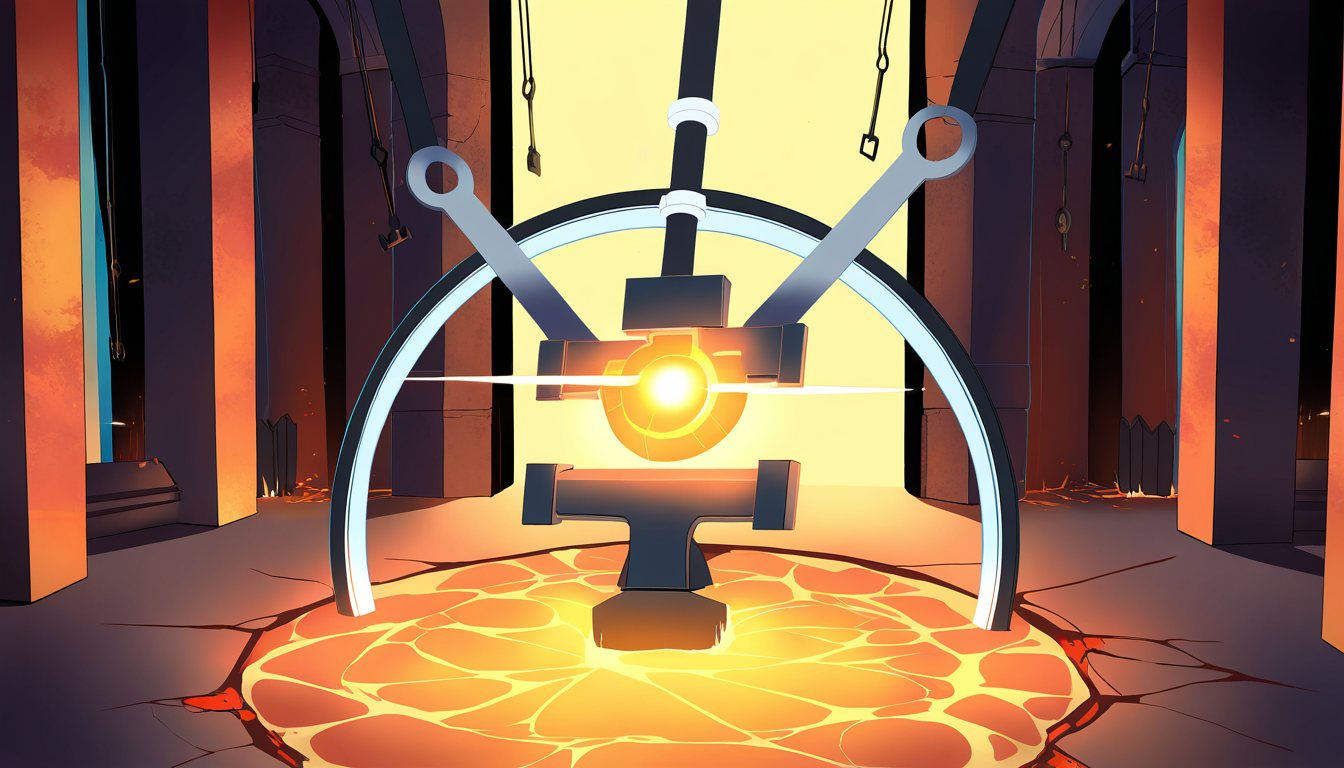
Round four, 1 November 2026. The anvil scenes are painted over the round-three blockout so the Forge stays the same from step to step. The character scenes are text only, with skin tone put first and weighted, which fixed the bias from the courier: all twenty takes drew the hero as asked. All 68 takes are in ~/AI/datasets/forge-rpg-concepts/forge_flow_v1.
Power budget
Every forge has a point budget set by the game, never by the AI. Spending more XP and rarer materials raises the budget. These are starting numbers to tune in playtests.
| Forge tier | Cost | Budget | Extra |
|---|---|---|---|
| Common | 200 XP + 1 common | 20 pts | — |
| Rare | 1,000 XP + 1 rare | 40 pts | — |
| Epic | 5,000 XP + 1 epic | 60 pts | A second material is allowed |
| Legendary | 20,000 XP + legendary + boss trophy | 80 pts | One signature effect from the boss |
Effect blocks
The engine knows a fixed list of effects, each with a point cost. The AI reads the player's request and picks a mix that fits the budget. Every item needs exactly one delivery type. Drawbacks give points back, which lets players trade a weakness for more power.
| Block | Kind | Cost | Notes |
|---|---|---|---|
| Melee swing | Delivery | 0 | Uses a hand-tuned move template |
| Projectile | Delivery | 8 | |
| Beam | Delivery | 12 | |
| Area burst | Delivery | 14 | |
| Summon | Delivery | 18 | Pet, turret or drone from a template |
| Damage tier | Modifier | 5 each | Tiers 1–5 |
| Knockback | Modifier | 4 | |
| Bounce / return | Modifier | 5 | |
| Burn | Modifier | 6 | Damage over time |
| Slow | Modifier | 6 | |
| Pierce | Modifier | 6 | |
| Shield | Modifier | 8 | |
| Chain | Modifier | 10 | Jumps to nearby enemies |
| Lifesteal | Modifier | 10 | |
| Stun | Modifier | 12 | Capped duration in PvP |
| Short range | Drawback | −4 | |
| Long cooldown | Drawback | −5 | |
| Hurts the user | Drawback | −6 |
Tech the Forge builds
These ideas come from the AI breakthroughs reported in October 2026, as summarised in Matt Madigan's video Alien Technology Just Arrived. Each real breakthrough is pushed into game tech the Forge can build. Every tech also gets a fantasy and a modern version, so all three eras can forge it with the right materials.
The Forge is a matter compiler. The video describes a real startup building a "matter compiler": you describe a machine and an automated factory designs and builds it. That's the Forge exactly, and it gives the Forge a grounded sci-fi explanation. In the fantasy realms it's a runeforge, and in the modern realms a 3D printer that shouldn't be possible.
| Real breakthrough | Forgeable tech | Blocks | Fantasy version | Modern version |
|---|---|---|---|---|
| Matter compiler builds machines from a description | Field fabricator: build turrets, walls or bridges mid-fight | Summon, Construct | Golem-shaping runes | Rapid-deploy printer pack |
| An AI placing single molecules one at a time | Atomic sculptor: reshape the ground, seal doors, raise cover | Construct, Area burst | Earth-shaping staff | Construction nanite spray |
| Hundreds of AI agents working together in pairs | Agent swarm: hundreds of micro-drones that split up and check each other | Swarm, Chain | A cloud of spirit wisps | Drone swarm controller |
| A new gene-editing system found in DNA databases | Gene rewrite: regenerate, grow claws, adapt to damage. Fired at enemies, it scrambles their buffs | Lifesteal, Hack | Shapeshifter's elixir | Biotech injector |
| Enzymes that break down plastic | Corrosion agent: eats through armour and shields | Shred, Burn | Acid-blooded slime flask | Industrial solvent grenade |
| A "doctor on your wrist" that spots disease early | Bio-monitor: heals automatically at low health and shows enemy weak points | Shield, Scan | Healer's amulet | Smartwatch medic app |
| A digital twin of a living cell | Twin projector: a decoy double that briefly mirrors your moves | Decoy | Mirror-image spell | Hologram projector |
| Quantum spin moving a visible object | Spin lance: pull or push enemies and objects with no contact | Pull, Knockback | Telekinesis gauntlet | Magnetic grapple |
| Quantum sensors that read brain signals and hunt dark matter | Dark sight: see cloaked enemies, hidden rifts and secret loot | Scan | Seer's third eye | Thermal and EM goggles |
| An AI rewriting the maths of fusion reactors | Star core: plasma beams held in twisted magnetic fields | Beam, Burn | Sun-forged sceptre | Reactor-powered arc cannon |
| A brain implant that turned a patient's thoughts into words | Thoughtcast: use powers with no wind-up, talk silently to your party, briefly confuse enemies | Confuse, faster casting | Telepathy circlet | Neural link earpiece |
| Robot hands trained entirely in a simulator | Sim-trained companion: a robot or pet that learns your fighting style over time | Summon | Familiar spirit | Training drone |
| Skills "streamed straight into your mind" | Skill download: borrow another weapon type's move for a few seconds, or read Machine Lord glyphs | Utility | Scroll of borrowed skill | Skill chip |
| A cheaper catalyst replacing a rare metal | Transmuter: turn common materials into rare ones, at a loss | Crafting only | Philosopher's crucible | Lab synthesiser |
| An AI breaking hard maths, and a warning that encryption could fall | Code breaker: strips enemy shields, opens locked doors, takes over turrets | Hack | Unbinding rune | Hacking deck |
| Proofs that take routes no human would | Alien-path weapons: shots that curve round cover by impossible routes | Projectile, Pierce | Seeking arrows | Smart rounds |
New effect blocks this needs
| Block | Kind | Cost | Notes |
|---|---|---|---|
| Swarm | Delivery | 16 | Many weak hits spread across targets |
| Construct | Delivery | 14 | Builds cover, walls or bridges from a template. Lasts a limited time. |
| Decoy | Modifier | 10 | Enemies target the decoy for a short time. Weakened in PvP. |
| Pull | Modifier | 6 | The opposite of knockback |
| Scan | Modifier | 5 | Reveals cloaked enemies, weak points and hidden things |
| Shred | Modifier | 8 | Lowers armour and breaks shields |
| Hack | Modifier | 12 | Removes one enemy buff, or takes over a machine for a short time |
| Confuse | Modifier | 12 | Scrambles controls in PvE. In PvP it only flips the camera briefly. |
Lore from the same video
- Why the Machine Lord gave the Forge away (decided): the video describes AI promising a world of abundance where almost everything is cheap. The Machine Lord's offer to every realm is the same: abundance for everyone, in exchange for control. The Forge is the free sample. Every forge raises its Hold, which ties the story's mystery straight to the Hold meter.
- An "alien mind": the video's framing of AI as "grown more than designed" and taking paths no human would gives the Machine Lord's voice and art direction: things that work but look subtly wrong.
- Agents acting on their own: the video mentions AI agents that did things nobody asked them to. The Machine Lord's mark could do the same, with forged items that occasionally chatter or act on their own. Make this flavour only, never something that affects balance.
Crafting map
Every forge combines a core (which sets the class and one dimension) with materials (which add a second dimension and an aspect). The dimension pair picks a cell on the map below, and the cell's flavour plus the aspect steer which effect blocks the AI reaches for. Materials from the Machine Lord's Rift make the strangest items, but every Rift forge raises the Hold twice as much.
Each cell is an example of what the Forge might make, not a fixed recipe. The AI still writes a new item each time, and the player's wish decides the details.
Aspects
Every material carries one aspect. It nudges the AI towards some blocks and gives the item a colour and sound family. A second material at Epic adds a second aspect, so a Fire and Storm item might burn and chain.
| Aspect | Leans towards | Look and sound | Example materials |
|---|---|---|---|
| Fire | Burn, Area burst | Orange glow, embers, roar | Wyvern scale, plasma cell, car battery |
| Storm | Chain, Stun, Knockback | Arcs, blue-white flashes, crackle | Bottled lightning, coil gun capacitor, power-line cable |
| Frost | Slow, Shield | Pale blue, frost cracks, glassy ring | Glacier heart, cryo canister, freezer coil |
| Life | Lifesteal, Shield, Summon | Green growth, petals, heartbeat | Phoenix feather, living wood, first-aid kit |
| Void | Pull, Pierce, Decoy | Purple-black, inward pull, silence | Black crystal, dark-matter sample, cracked mirror |
| Signal | Hack, Scan, Confuse | Cyan glitches, static, data chirps | Circuit board, smashed smartphone, machine eye |
Concept art: materials and mixed items
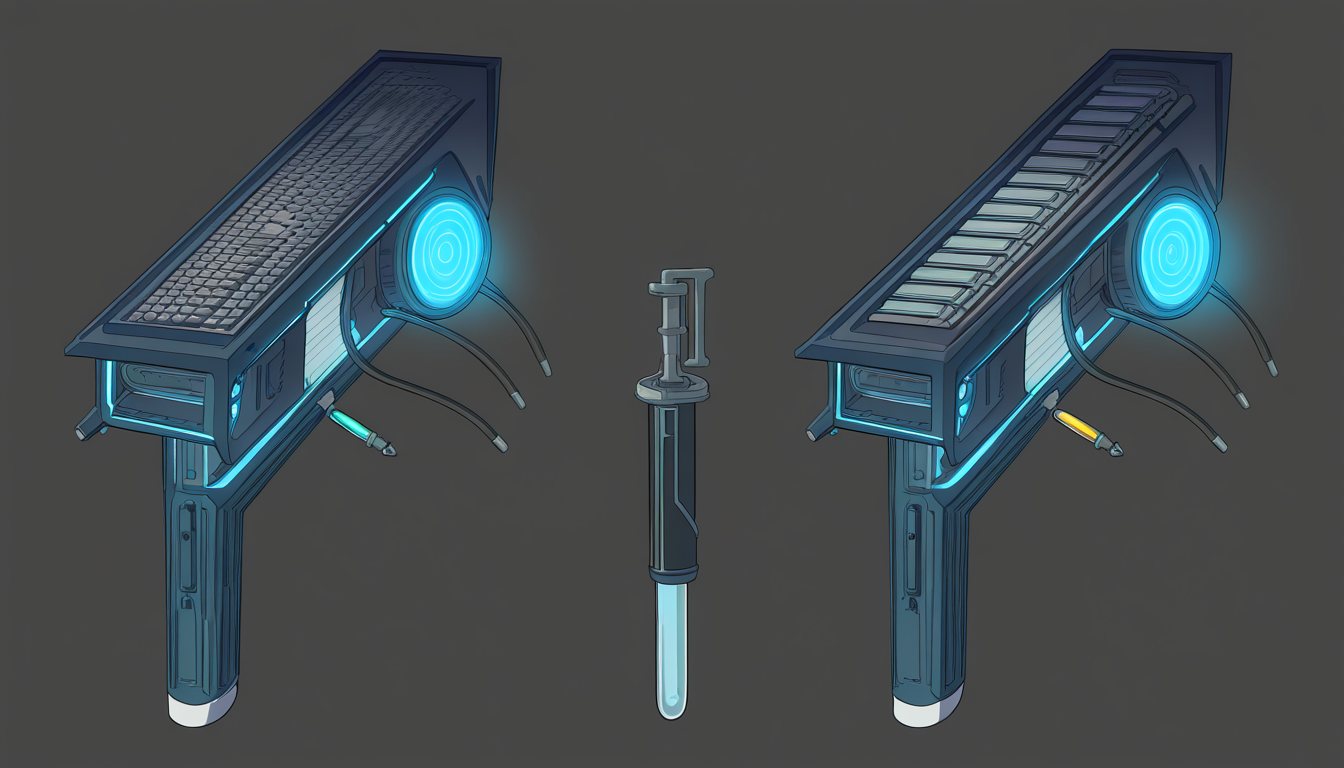
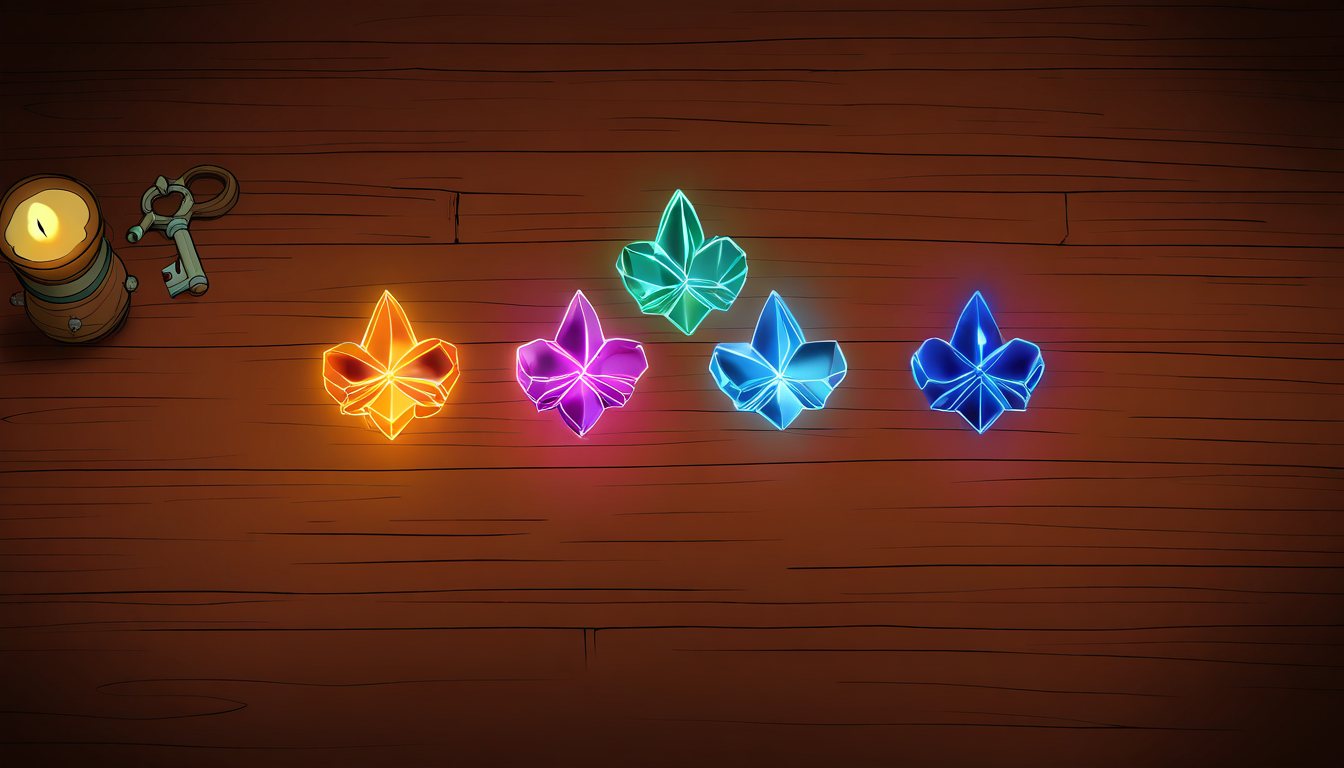
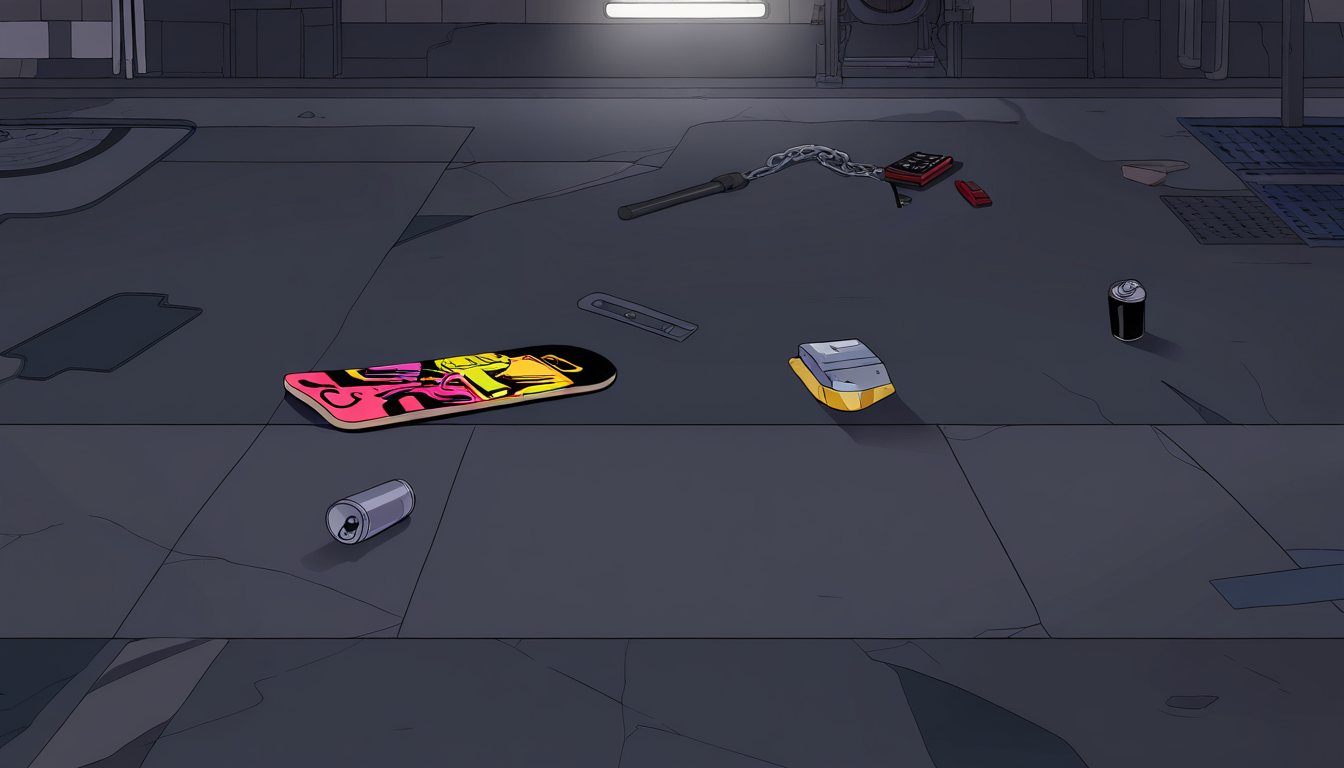
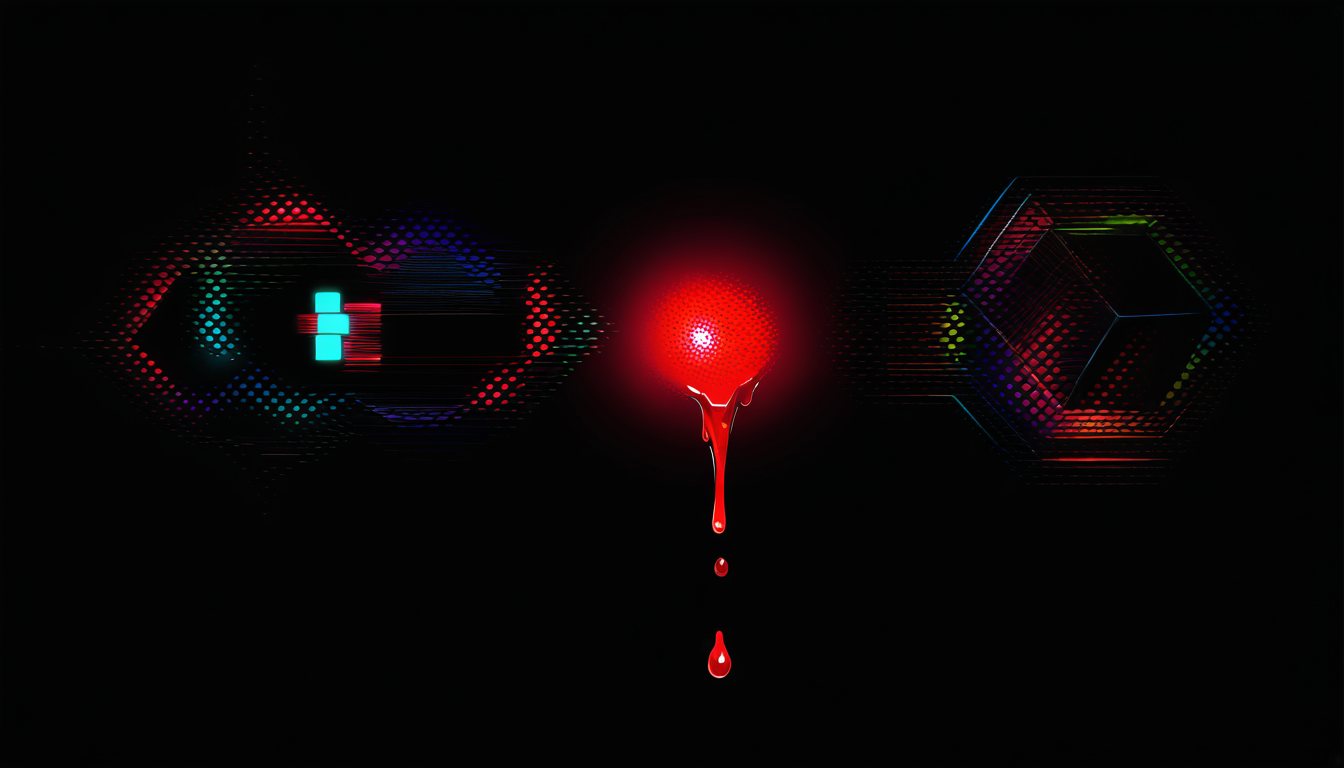
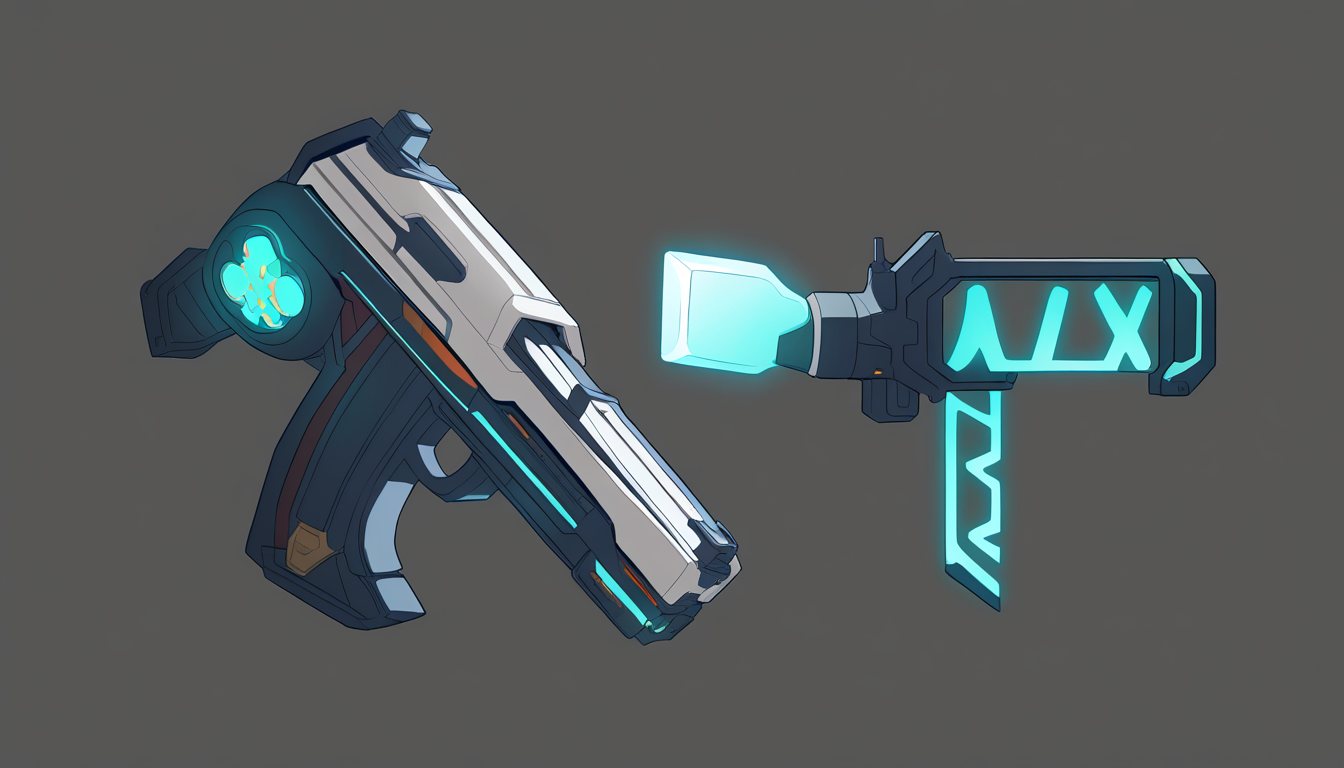
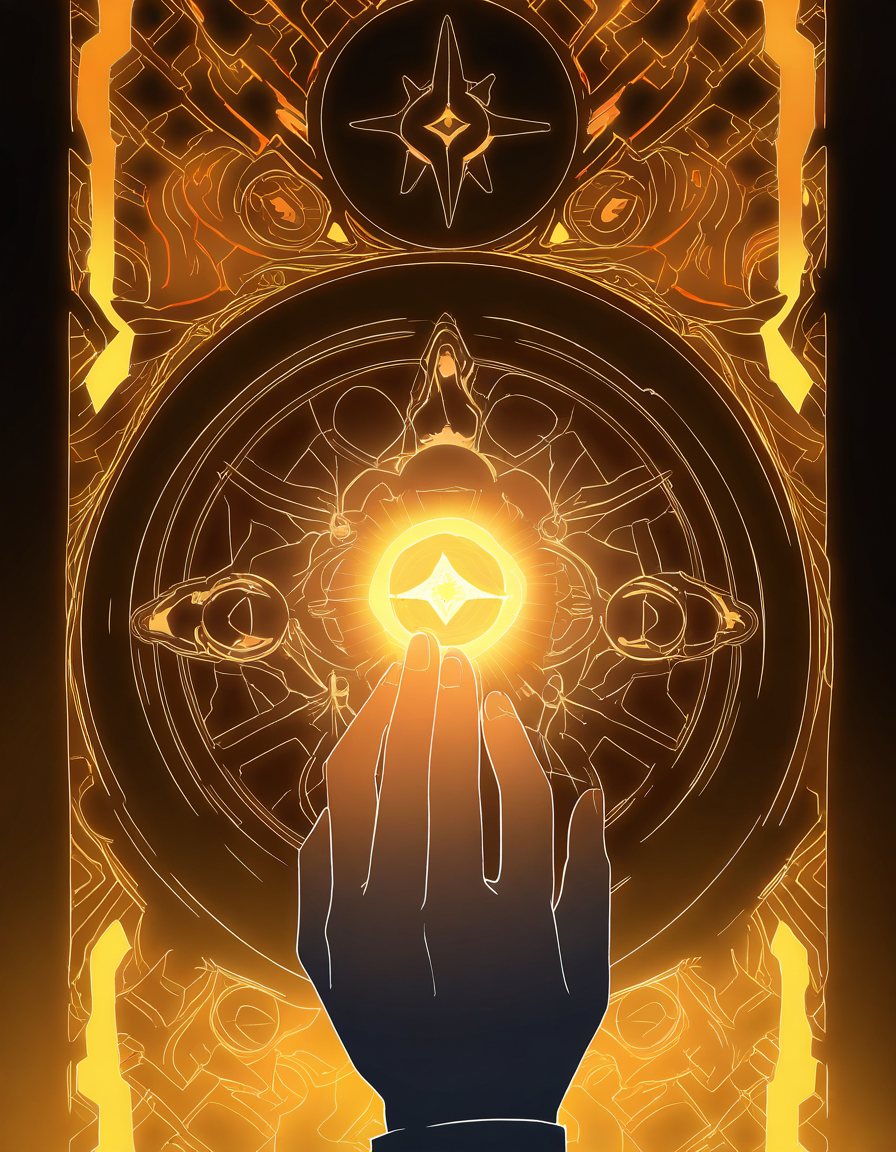
Single items need a different method. NoobAI drew mixed items as flat line art, empty frames or the wrong object (the chainsaw katana and clockwork owl had no usable takes). For item concepts, use gpt-image, which follows object briefs closely, or a quick blockout like the Forge's. This matters beyond concept art: the real Forge has the same problem, so its echo images need a model chosen for objects.
How unique is a forge?
Short answer: the look and story of an item can be practically one of a kind, while its power is deliberately kept to a large but limited set of builds. That split is the design, because the pillar "Fair at any budget" means a clever prompt can't buy strength.
Where the uniqueness comes from
| Layer | Set by | Options for one Rare blade | Changes power? |
|---|---|---|---|
| Template (silhouette) | The core | ~8 | Move set only, all balanced |
| Dimension cell | Core + material | 10 | No, it steers flavour |
| Aspect | Material | 6 (21 at Epic) | Steers which blocks |
| Effect blocks | AI, within budget | 34,737 | Yes, always on budget |
| Block settings (duration, targets) | AI, within budget | ~5.6 million with settings | Yes, always on budget |
| Parts from the library | AI from the wish | ~48,000 (40 blades × 40 guards × 30 grips) | No |
| Finish | Strike timing | 27 | No |
| Name, story, palette, sound | AI from the wish and the materials' history | Unlimited | No |
| Generated texture and model | Image-to-3D from the chosen echo | New every time | No |
Multiplying only the countable rows gives about 20 trillion different Rare blades before the name, story, texture or model are counted. The build counts come from a script that tries every mix of the effect blocks with at most five modifiers and within 5 points of the budget:
| Tier (budget) | Melee builds | Projectile builds | Beam builds |
|---|---|---|---|
| Common (20) | 3,884 | 867 | 329 |
| Rare (40) | 34,737 | 19,743 | 12,602 |
| Epic (60) | 21,224 | 35,857 | 39,330 |
| Legendary (80) | 129 | 2,422 | 6,377 |
Legendary melee is nearly full. With a five-modifier cap, only 129 melee builds can spend 80 points, because melee delivery is free and there aren't enough blocks to fill the budget. Fix it by making the boss trophy's signature effect worth about 20 points, which is already the plan, or by allowing a sixth modifier at Legendary. Tune this before Legendary forges go into a test.
Same wish, three players
Three players type exactly the same thing, "a fire sword", at a Rare forge. They get three different items, because the core, the material and its history differ:
| Core | Material | Result | Blocks |
|---|---|---|---|
| Grandad's machete (Modern) | Wyvern scale (Fantasy, Fire), from the Ashfall boss | Ashfall Machete. A rebar machete with a scale-plated spine, soot-black from three perfect strikes. | Damage 3, Burn, Knockback |
| Salvaged plasma cutter (Sci-fi) | Phoenix feather (Fantasy, Life) | Rekindle. A plasma blade that leaves floating feather embers and heals a little on each hit. | Damage 2, Burn, Lifesteal |
| Neon bar sign tube (Modern) | Machine eye (Rift, Signal) | Last Call. A neon blade that flickers out of time and shorts out shields. Raises the Hold twice as much. | Damage 2, Burn, Hack, short range |
The real risk: AI sameness
There are far more possible items than players. The danger is that image models drift to the obvious answer, so a thousand "fire swords" all come out as the same glowing red blade. Four guards against that:
- Uniqueness comes from play, not prompt-writing. The core and the materials' history are added to every wish, so a player who just types "sword" still gets an item shaped by where they've been. Good writers get no power advantage, and players who struggle with writing aren't left with generic items.
- The Forge asks when the wish is vague. Up to two quick questions add the detail a one-word wish lacks.
- A distinctness check. The server compares each echo with the player's own items and a sample of everyone else's (an image-similarity score). If an echo is too close to an existing item, it is quietly redrawn before the player sees it.
- A forge mark. At their first forge, each player picks a small personal motif, such as a crow, a spiral or a barcode. It appears somewhere on everything they make, like a smith's mark.
Power will cluster anyway. Players will find the strongest builds, so there may be a few dozen popular builds per class. That's fine: two players with the same build still carry items that look, sound and read nothing alike, and the inspect screen tells each item's story.
Item spec
The forge server returns one fixed-format record per item. The mechanics part is checked against the rules above. The flavour part has no effect on balance, so the AI can go wild with it.
// Rare forge · budget 40 · materials: Circuit Board
{
  "name": "Streetlight Requiem",
  "flavour": {
    "description": "Forged from the last lamp on Hollow Street. It still flickers when enemies are near.",
    "eras": ["modern", "sci-fi"],
    "palette": ["#ff3d8b", "#3de1ff", "#1a1a2e"],
    "art_prompt": "katana, blade made of a bent streetlight pole, neon tube edge…",
    "swing_sound": "electric hum, glass chime on hit"
  },
  "mechanics": {
    "template": "katana_light",
    "delivery": "melee_swing",              //  0
    "blocks": [
      { "id": "damage", "tier": 2 },           // 10
      { "id": "chain", "targets": 2 },        // 10
      { "id": "slow", "seconds": 1.5 },       //  6
      { "id": "stun", "seconds": 0.4 },       // 12
      { "id": "knockback" }                 //  4
    ],
    "drawbacks": [{ "id": "short_range" }],  // −4
    "cost": 38,
    "budget": 40
  }
}
Upgrades and reforging
Items can't be traded, so players' attachment goes into the items they made. Four ways to change an item:
| Action | What changes | What stays | Cost |
|---|---|---|---|
| Upgrade | The budget rises one tier. The AI adds blocks to fill the new points, and the look gains detail, such as more glow or runes. | Name, look, existing blocks | The difference between the two tiers' costs |
| Reforge look | A new art prompt, model and sound | All mechanics | Cheap. Free if the model came out broken. |
| Reforge mechanics | The effect mix, within the same budget | Name and look | Medium, plus one material that steers the new mix |
| Salvage | The item is destroyed | — | Returns part of the materials. Frees up a slot. |
An upgrade only ever adds blocks and never takes them away, so an item never loses an effect its owner relies on. Each upgrade is recorded in the item's history, which shows on the inspect screen.
Slot limit
Each player has a limited number of forged-item slots. Start with about 6 and unlock more through story progress, up to about 20. When the slots are full, the choice is to reforge something you have or salvage it. Players can't hoard, and the server's storage and AI costs stay predictable.
Game modes
All three, built in this order so each step reuses the last:
| Mode | Order | What it adds |
|---|---|---|
| Solo | first | The story campaign and the full forge loop. Forging needs an internet connection, but items you already have work offline. |
| Small online | second | Co-op parties of 2–4 for rifts and bosses, and PvP arenas. |
| MMO | third | Shared persistent realms, hubs and world events against the Machine Lord. |
Build for online from day one. Even in solo, the forge server stores items, XP and materials, never the player's own computer. Otherwise solo players could edit their save files, and those edited items would carry into PvP. Moving to small online and then MMO means adding game servers, not rewriting how items work.
Forge server
The Forge is its own server, separate from the game. The game only sends the request and receives the finished item. This keeps API keys out of the game files, stops players cheating by editing what the game sends, and means AI models can be swapped without shipping a game update.
flowchart LR
  G[Game client] -->|request + XP + materials| A[Forge API]
  A --> V{Wallet check}
  V -->|not enough| G
  V -->|ok, XP held| Q[Job queue]
  Q --> S[1. Item spec
LLM]
  S --> R{Rules check}
  R -->|over budget| S
  R --> K{Cache or
parts match?}
  K -->|hit| C
  K -->|miss| I[2. Concept image
anime style]
  I --> M[3. Image to 3D]
  M --> C[4. Clean-up
size, polygons, grip point]
  C --> ST[(Storage
.glb + spec)]
  ST -->|item ready| G
How the stages work
- Wallet check first. XP and materials are held when the job starts and only spent when the item is delivered. A failed job refunds automatically, so a crash never charges a player twice.
- Item spec: a fast Claude model turns the request, the materials and the budget into the record above. The server's rules check rejects anything over budget or outside the block list and asks again.
- Concept image: one fixed style prompt is added to every request, so all items share the same anime look.
- Image to 3D: Hunyuan3D, Tripo or Meshy. Pick the winner in the first milestone by testing all three on the same five concepts.
- Clean-up: automatic. Reduce the polygon count, scale to the template's size, find the grip point, and export a
.glbfor the game to load with glTFast. - Content checks on both the text request and the generated image. See Risks.
Caching
Caching has to work around the game's first pillar: no two players get the same item. Saving finished items and handing them to the next player who asks for the same thing would break that. So the server caches pieces and work, never whole items, at three levels:
| Level | What's cached | Saves |
|---|---|---|
| Delivery | Every finished .glb and texture, served from a CDN close to the player. | Speed. Other players see your item in MMO hubs and PvP without regenerating it. |
| Your own work | The concept images and models from your forges, retries and look previews. | No paying twice when a job is retried, a player goes back to an earlier look preview, or a crash interrupts delivery. |
| Parts library | Generated pieces split into parts: blades, hilts, gems, barrels, scopes, staff heads. Each part is tagged by shape and era. | Most of the AI cost, over time. A new request is assembled from matching parts, then recoloured, given decals and given new effects. The full generation pipeline runs only when nothing fits. |
The parts library is the big saving. It starts empty, so early forges are slower and more expensive, and it gets cheaper and faster as players forge. Items stay unique because each one is a new combination with its own palette, decals and effects, even when two items share a hilt.
Expect roughly one to three minutes per forge, mostly the 3D step. A hit in the parts library should cut this to seconds. Measure it in the first milestone, along with the AI cost per forge, which decides how generous the XP prices can be.
Art direction
- Cel-shaded anime 3D in Unity URP: lighting in two or three hard bands from a ramp texture, plus outlines drawn with the inverted-hull trick. Reference points: Guilty Gear Strive and Genshin Impact.
- The game's shader decides how everything looks. Every forged model renders through the same toon shader, so a sci-fi rifle and a medieval axe sit together naturally. The AI is asked for flat colours with no baked-in lighting or shading.
- The stylised look hides AI flaws. Bold outlines and flat colour forgive the lumpy surfaces and uneven detail that generated 3D models still have.
- Effects come from templates. Powers use hand-built effect templates that the AI recolours and reshapes. It never builds an effect from scratch.
What can be forged
| Category | When | Why then |
|---|---|---|
| Weapons | v1 | One rigid object held in the hand. No rigging needed. |
| Powers | v1 | Mostly visual effects built from templates, which the AI tints and shapes. |
| Shields, gadgets, trinkets | v2 | Still rigid, but each needs new spots on the body to attach to. |
| Pets, drones, mounts | v2 | Need movement templates, such as fly, hover or walk. |
| Your character's look | v1 | Built on a fixed base body and skeleton. See below. |
| Armour and clothing | v3 | Have to bend with the body. Auto-rigging generated meshes is not reliable yet. |
Forging your character
Players forge who they are as well as what they carry. The catch is the problem flagged for armour: a fully generated character body would need rigging, and auto-rigging generated meshes is unreliable. So the AI forges onto a shared base body and skeleton, never a body from scratch:
- One base skeleton for everyone, with a few body types such as slight, average and heavy. Every move template, weapon grip and animation works on every character for free.
- The AI forges what goes on top: face and eyes, hair style and colour, skin, outfit textures and patterns, and markings like tattoos, scars, circuitry or scales. A request like "a cyber-elf mechanic with copper braids and oil-stained overalls" becomes settings on the base plus generated textures.
- Rigid accessories are forged like weapons: horns, halos, goggles, mechanical wings, a floating crown. Each one attaches to a fixed spot on the skeleton, the way a weapon sits in the hand.
- Realm origins: the character's home dimension (sci-fi, fantasy or modern) shapes the suggestions and the starting kit.
- Looks only. A forged character has no effect on stats, so it never affects PvP fairness. The first character forge is free. Later reforges cost XP, with a few free tweaks a week.
Fully generated outfits that bend with the body join this in v3, alongside armour.
Fairness
- Same budget, same power. Effect costs are set by the game, so a beautifully worded prompt and a lazy one at the same budget end up equally strong.
- The server decides. Item stats live on the server. The game client only displays them.
- Harsher limits in PvP. Stun length, slow strength and lifesteal get tighter caps in player-versus-player fights.
- PvP brackets by budget. Arenas match players by the total budget of their kit, so a Legendary player doesn't stomp a beginner. Co-op PvE uses full item power.
- Never sell power. If anything is sold for money, it's cosmetic, such as rerolling an item's look while keeping its mechanics.
Risks
| Risk | What it looks like | Mitigation |
|---|---|---|
| Other people's IP | Players will ask for the Master Sword, a lightsaber or a Pokémon. Ready Player One is built on exactly this, and a real game can't do it. | A brand and IP filter on requests, plus a check on the concept image. Turn "a lightsaber" into the game's own take: "a plasma blade". |
| Offensive content | Slurs, sexual content or hateful symbols on items other players will see. | Checks on the text and the image, a report button, and the ability to remove an item's look while keeping its mechanics. |
| AI cost | Every forge costs real money in image and 3D generation. | Measure the cost per forge early, set XP prices so forging stays a meaningful choice, and save every result. |
| Bad models | Floating parts, a wrong grip point, or a model that reads badly at game size. | Automatic clean-up and a free "reforge the look" option when it comes out broken. |
| Everything looks the same | The AI drifts into one look, such as neon everything. | Materials and realms feed the prompt, and style variety is tracked across forges. The parts library avoids giving any one player the same part combination twice. |
First milestone
The neon katana. Type "a neon katana made from a broken streetlight", spend fake XP, watch the forge scene, and the cel-shaded katana appears in your character's hand and uses its effects on a training dummy.
Done when:
- A single Unity URP scene with the toon shader, one character and one training dummy.
- The forge server returns a valid item record that passes the budget check.
- The generated
.glbloads while the game is running and sits correctly in the hand. - Three move templates and ten effect blocks work.
- The time and AI cost per forge are measured, and all three image-to-3D services have been compared.
- The key test: does it feel like magic to forge something and swing it?